Join me and six branded entertainment luminaries at my PGA New Media Council East mega-panel during Advertising Week New York, ‘Gaming the System: Branded Entertainment for Producers’ on Wednesday, September 30th, from 7:00-9:00 pm, at The New School’s Lang Auditorium, 55 West 13th Street (between 5th and 6th Avenues), 2nd floor.
In addition to great networking, food & drink, and a gathering of the new media tribes, the following presenters will appear:
Ian Schafer, chairman, US CEO and founder, Deep Focus
Warren Weideman, founder, First Look Productions LLC
Luis de la Parra, senior vice president, partner solutions, Univision
Colas Overkott, CEO, Sync
Will Misselbrook, head of branded entertainment, Condé Nast Entertainment
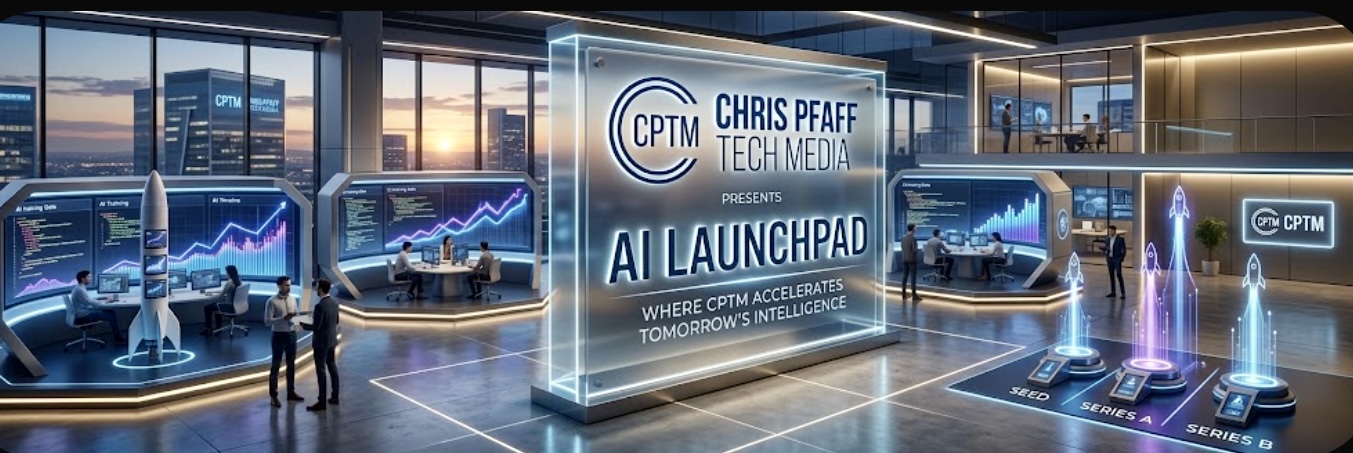
CHRIS PFAFF TECH MEDIA LAUNCHES THE SPATIAL AND AI NARRATIVE LAUNCHPAD;
GLOBAL INTENSIVE PROGRAM FOR EUROPEAN XR AND AI START-UPS
Focused Marketing and Business Development Programs for Deep-Tech U.S. Market Entry
FOR RELEASE ON: TUESDAY, SEPTEMBER 8, 2026
NEW YORK – Chris Pfaff Tech Media LLC (CPTM), a leading provider of business development, marketing/PR, and investment consulting services for global technology firms, today announced the launch of the Spatial and AI Narrative Launchpad, an intensive program for founders in the extended reality (XR) and Artificial Intelligence (AI) sectors. The primary focus of the launchpad is European founders who seek access to the U.S. market, as well as U.S. founders who need to re-tool their strategy.
The spatial computing and XR sectors, and the AI and GenAI sectors, have undergone tremendous shifts in the past three years, as platforms have converged, shuttered, or pivoted to new solutions. What this means for early-to-mid-stage technology companies is a proliferation of confusing options and potential strategic mis-steps. The U.S. has a 41% global share of the XR market, while Europe has a 20% share, according to Fortune Business Insights. European ventures – whether university spin-outs, strategic ventures, or venture-capital backed – have deep intellectual property (IP) that can serve U.S. customers and partners, presenting enormous opportunity for founders and investors.
The new CPTM programs include:
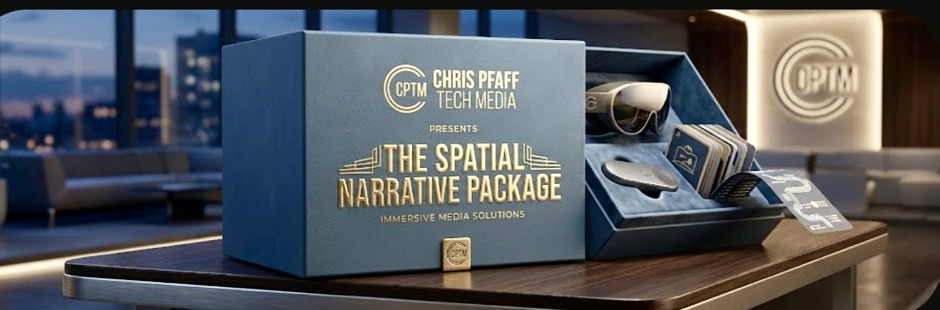
The Spatial Narrative Package: A 3-month intensive strategy to help European AR/VR startups break into the North American entertainment or enterprise markets
The AI/GenAI Launchpad: A structured 6-week overhaul of PR narrative and strategic messaging for founders.
“The enterprise XR market continues to grow in the U.S., and we see more VR and AR innovation from European ventures that needs access to partners here,” said Pfaff. “There is tremendous opportunity for deep-tech, AI-focused European ventures in the U.S., and we are here to help them navigate the ecosystem.”
Chris Pfaff helped launch the New York chapter of the VR AR Association (VRARA) in 2016, and is the co-chairman of the VRARA Storytelling Committee. CPTM has helped hundreds of European companies enter the U.S. market over the past 23 years. CPTM has worked with a wide range of incubators, early-stage investors, and programs – including General Assembly’s AI-First Product Management tracks, to expose spatial computing and AI companies to high-value firms in New York, San Francisco, and Los Angeles, and other markets.
Chris Pfaff Tech Media LLC is a New York-area consultancy and advisory firm that supports the needs of global technology and new media entrepreneurs in the areas of market and business development, go-to-market strategy, strategic marketing, and public relations and investment consulting.
Chris Pfaff Tech Media supports ventures from launch to re-launch, and from transition to spin-off. The company’s clients include self-funded start-ups, institutional venture capital-backed ventures, strategic/corporate ventures, incubation-stage companies, as well as global accelerators. For more information, visit the company web site at https://www.chrispfafftechmedia.com.
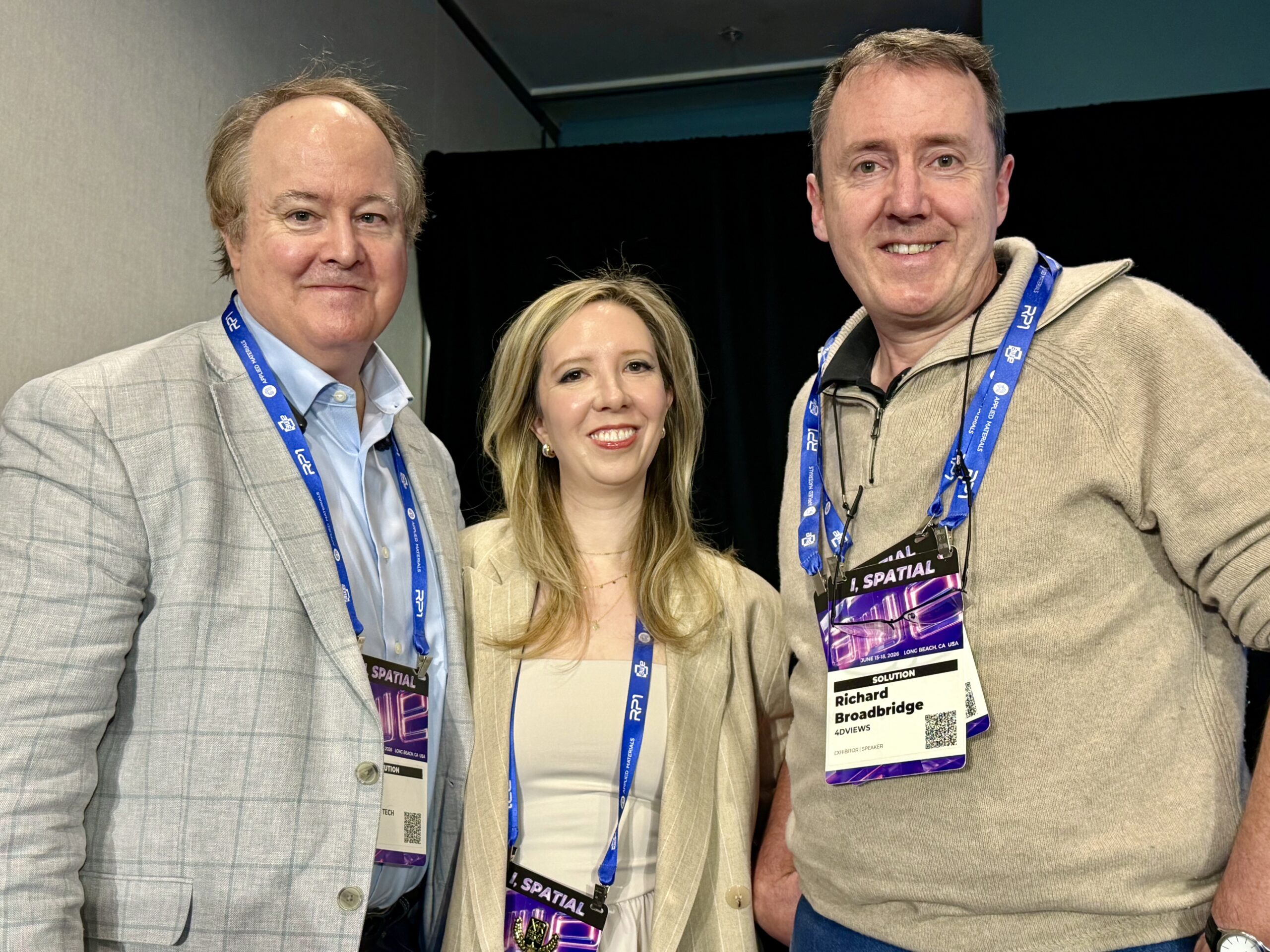
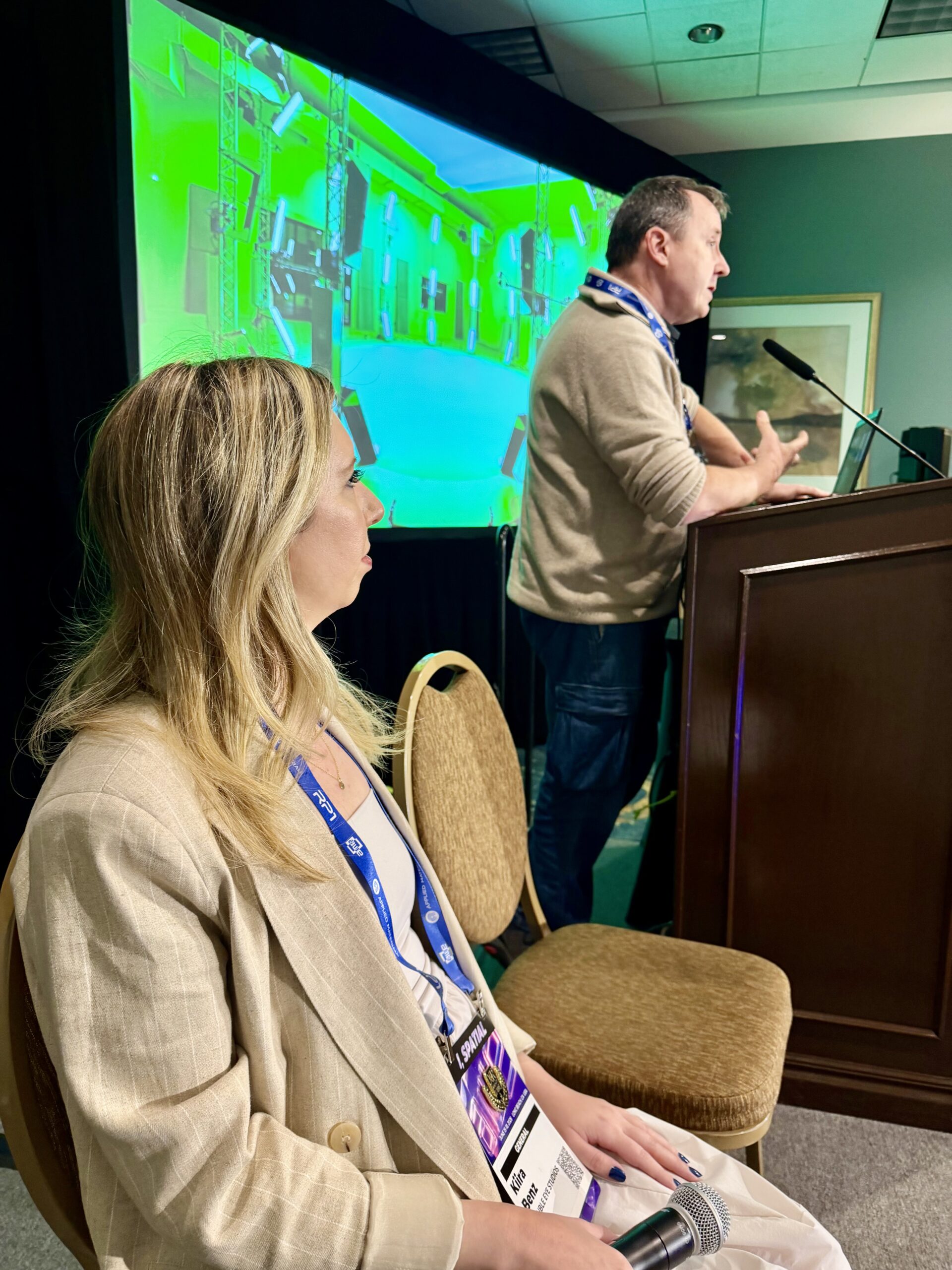
Chris Pfaff moderates the ‘Immersive Theatre: Building the XR Stage for New Audiences’ panel at AWE 2026 at the Long Beach Convention Center in Long Beach, CA on Thursday, June 18th. Richard Broadbridge, CEO of 4Dviews, developer of the leading volumetric video capture system, and Kiira Benz, executive creative director and founder of Double Eye Studios, appeared on the panel.
4Dviews currently provides the volumetric capture and supporting technology for some of the world’s most striking immersive experiences, including:
‘An Ark’ (The Shed, New York)
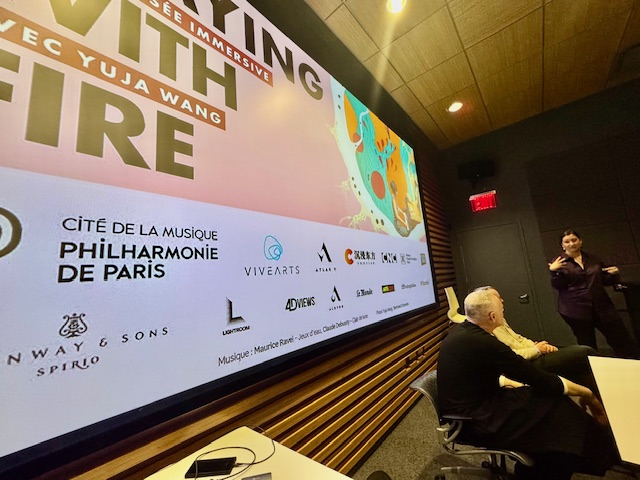
‘Playing with Fire’ (Symphonie, Paris)
‘Inside Project’ (Bristol, UK)
‘KAGAMI’ (Tokyo), and soon-to-be-released projects
Artists, directors, and producers ranging from Sir Ian McKellen, Yuja Wang, Todd Eckert, and Antoine Cayrol are using HOLOSYS to deliver stunning, sold-out experiences that are traveling the world.
Kiira Benz’s work has premiered and won awards at some of the most prestigious festivals in the world. Selected credits: Finding Pandora X received the award for Best VR Immersive User Experience at the Venice Film Festival (2020), while Runnin’, filmed on the world’s largest volumetric capture stage at Intel Studios and starring Reggie Watts, won the SXSW Jury Award for Best Interactive. Other projects include Loveseat (Venice International Film Festival), territory (the first VR piece presented at Jacob’s Pillow), and Cardboard City, a 360° VR short film that won Samsung’s first VR contest in 2016.
Across her career, Kiira has consistently been at the forefront of innovation, achieving numerous “firsts” in the XR field. She directed the first AR documentary, founded the first VR Theatre Repertory Company, the first VR Theatre production to win at an A-List festival, the first VR Variety Comedy Show, the first VRChat experiences to premiere at A List festivals, and the first PCVR experience to integrate Meta Haptics. She has expanded the possibilities of live performance in virtual spaces for the XR Theatre industry. Her productions often combine worldbuilding, interactivity, and theatricality, inviting audiences into shared spaces that challenge the boundaries between art forms.
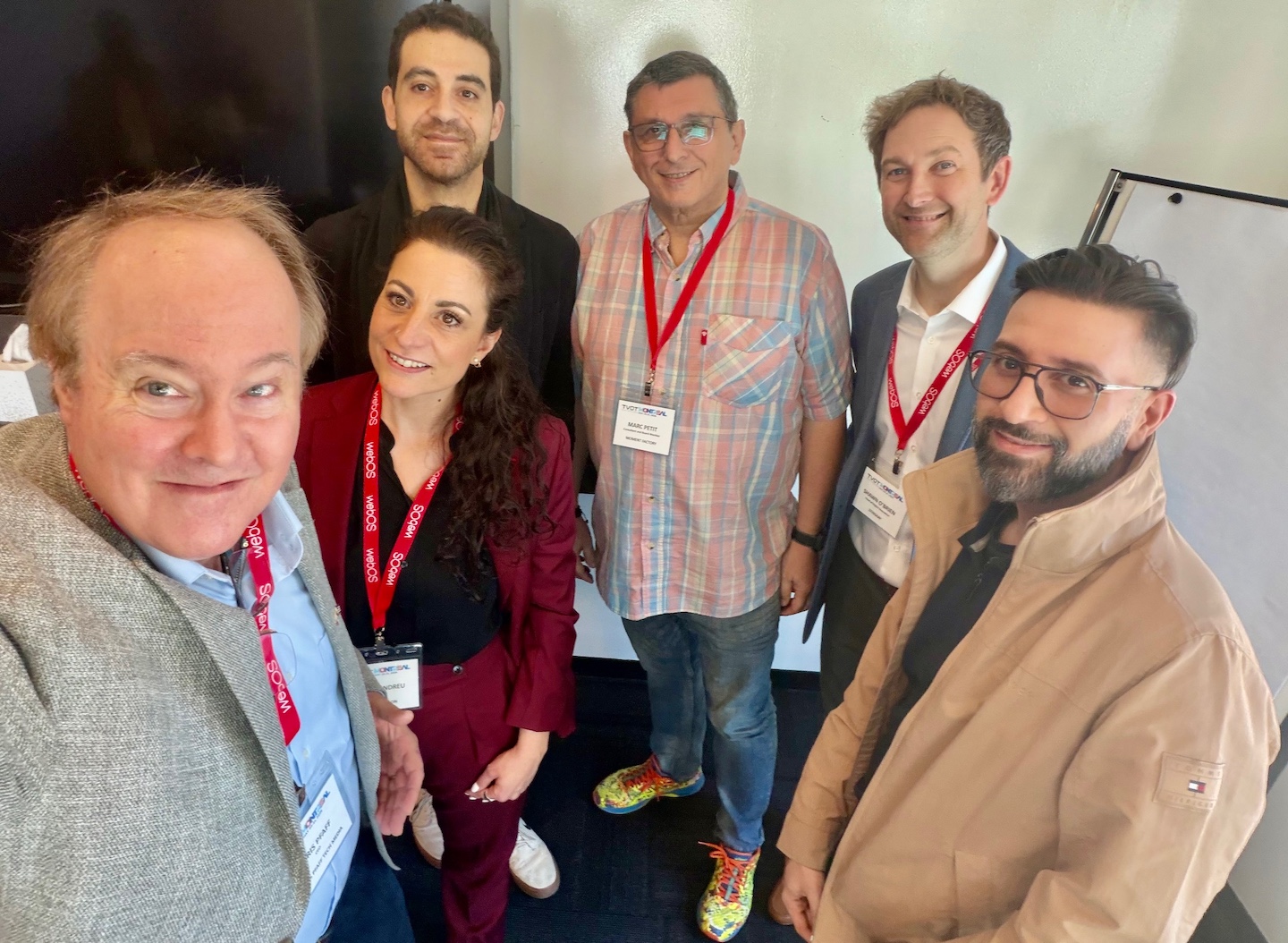
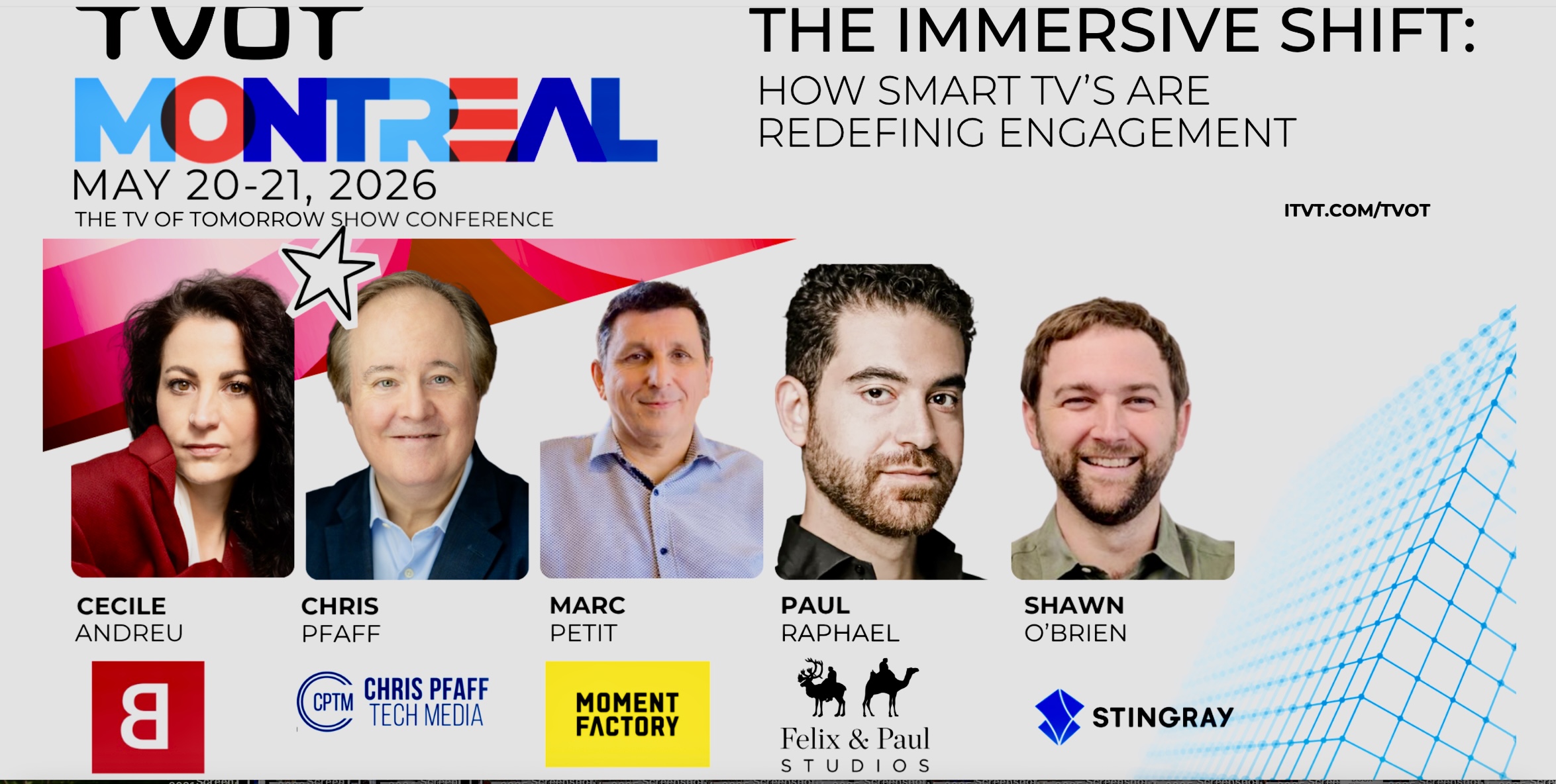
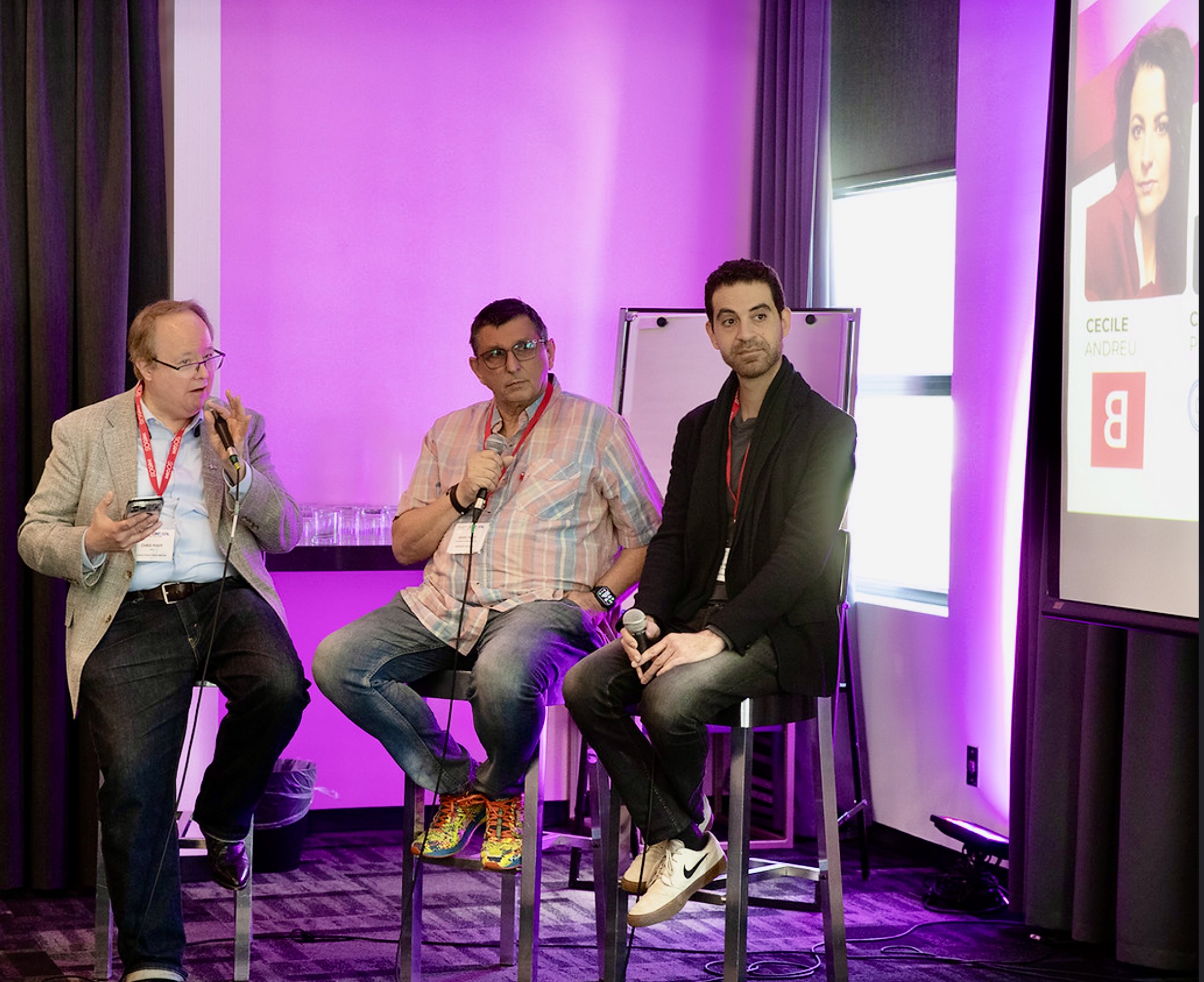
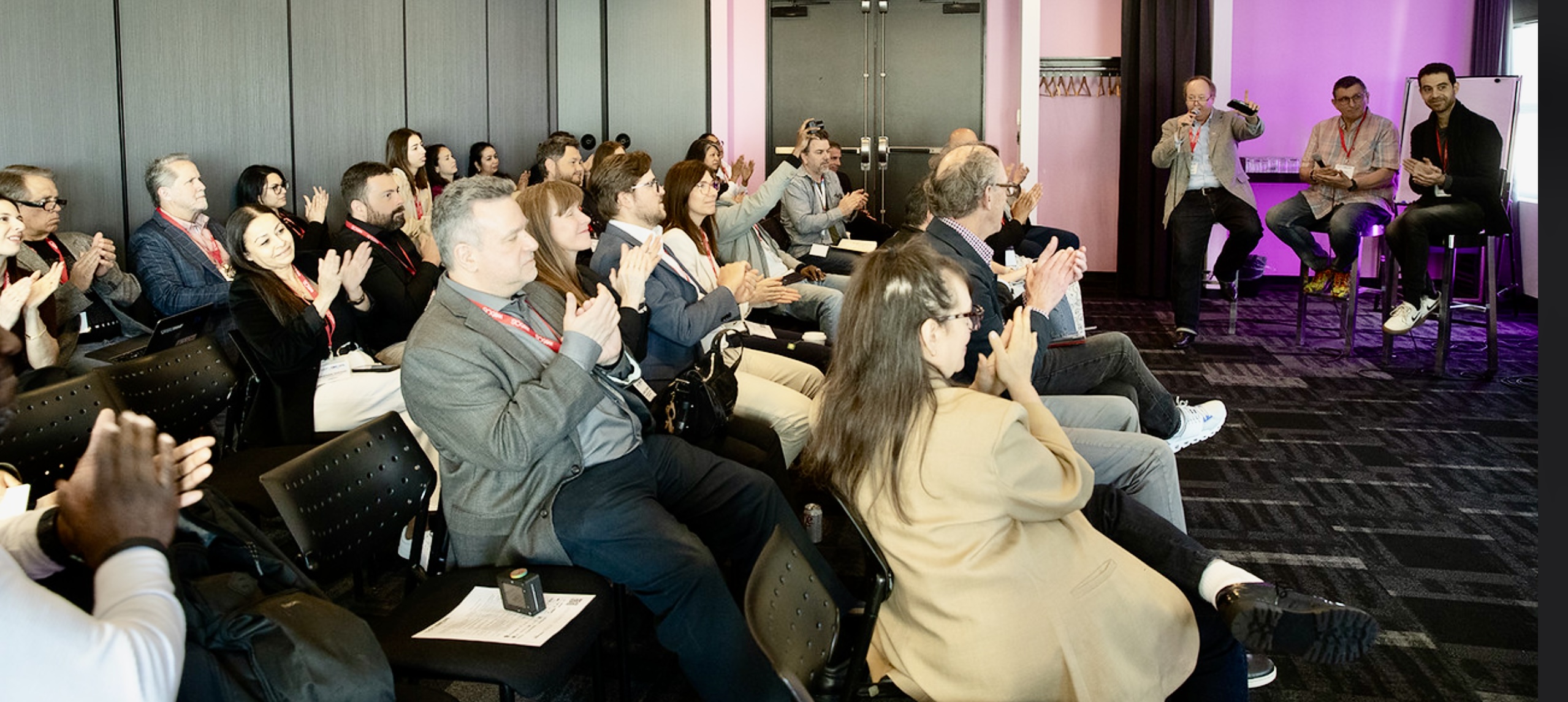
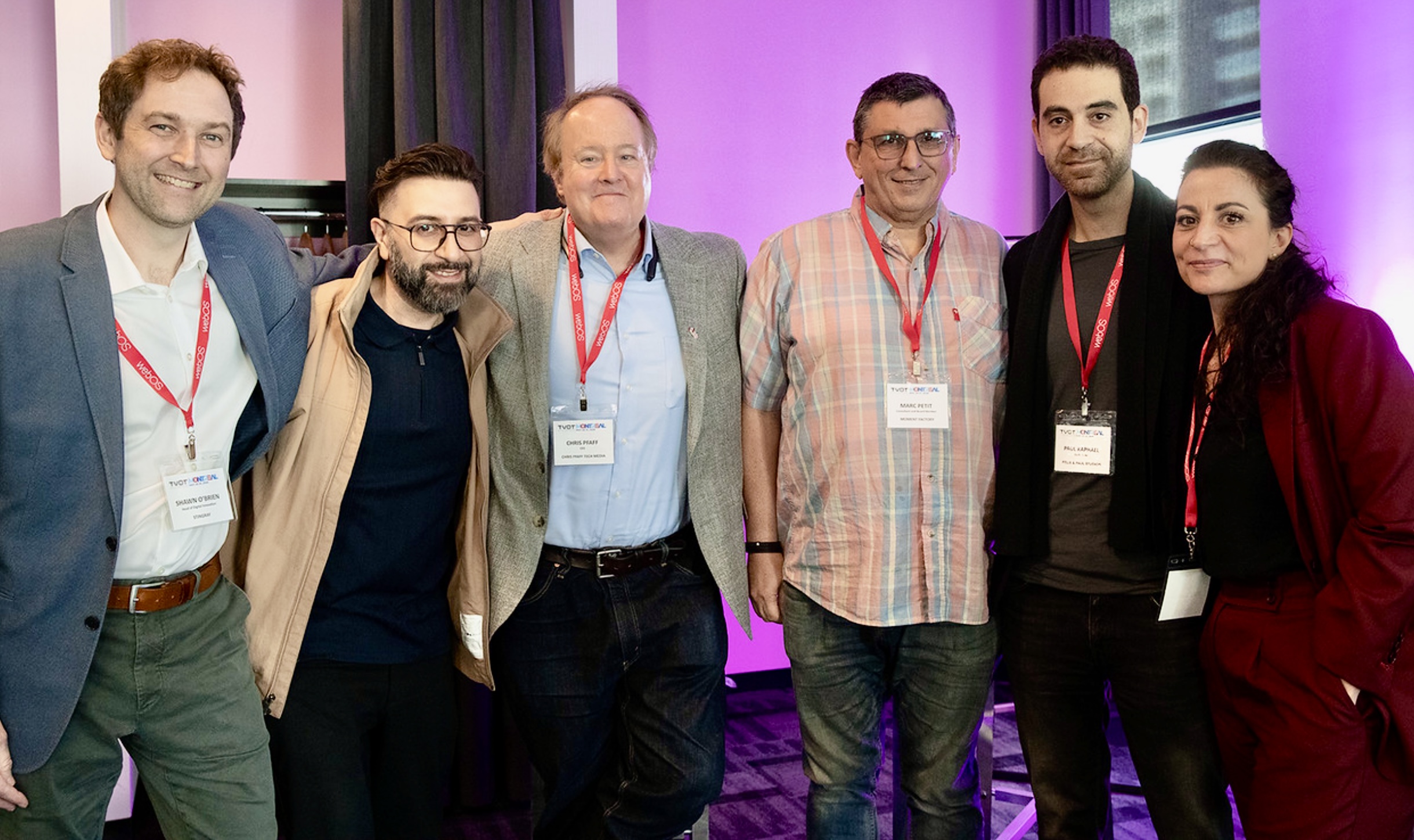
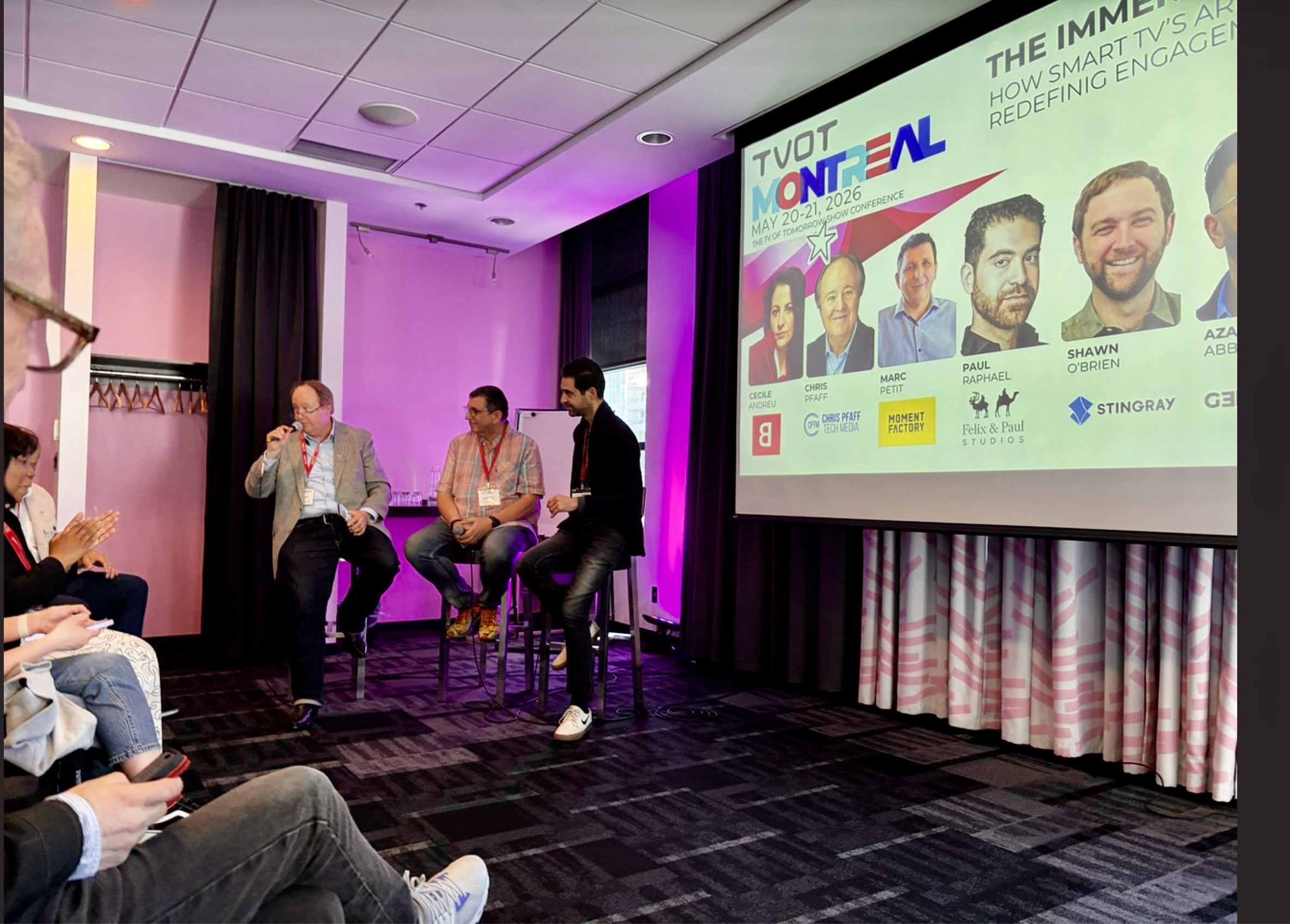
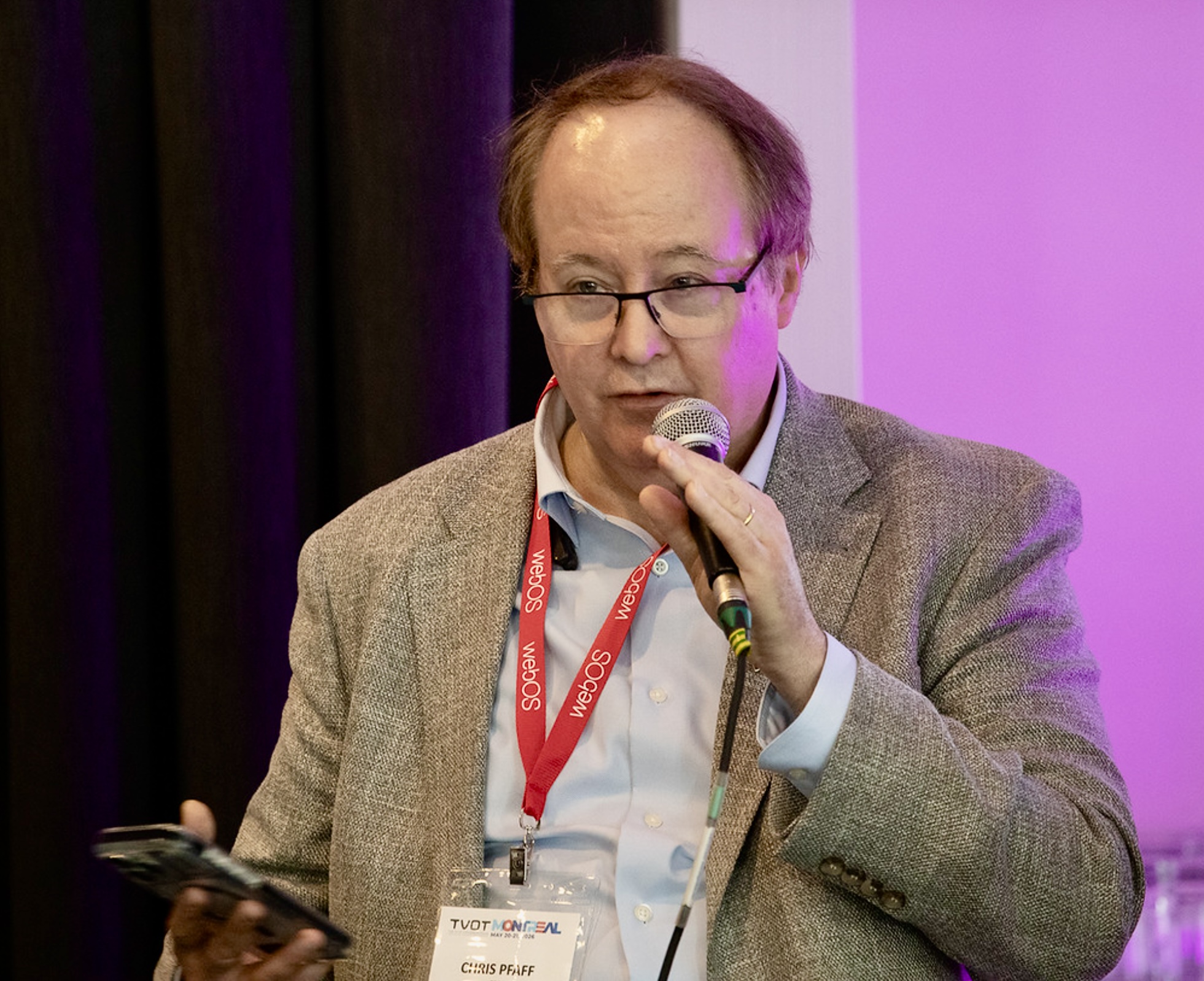
Chris Pfaff moderated the TV of Tomorrow (TVOT) Show Montreal panel ‘The Immersive Shift: How Smart TVs are Redefining Engagement’ on May 21st at the Alt Hotel.
The panel included Cécile Andreu, founder, Le Brouillon Creative Studio; Marc Petit, consultant/board member, Moment Factory; Paul Raphaël, co-founder, Felix & Paul Studios, and Shawn O’Brien, head of digital innovation, Stingray. and Azad Abbasi from GeniusXR.
Great discussion on the creative design intelligence that fuses location-based and virtual experiences with Smart TV experiences.
(l to r): Chris Pfaff, Cecile Andreu, Paul Raphael, Marc Petit, Shawn O’Brien, Stingray, Azad Abbasi, GeniusXR
TVOT MONTREAL 2026: The Immersive Shift: How Smart TVs are Redefining Engagement
The smart TV experience is meeting its metaverse moment, as developers reorient interfaces for greater levels of interactivity. Meta’s Horizon TV app is a new monetization opportunity for Meta, while Netflix continues to invent new games for its platform. The expansion of smart TV platforms enables more immersive, interactive content to be developed and consumed. This session features some of the leading creative technologists in the smart TV and immersive worlds. Panelists include:
Chris Pfaff moderated the fantastic closing session at the (virtual) Streaming Media Connect conference – ‘Alpha Channel: Programming and Monetizing Sports on FAST’ – on Thursday, May 14th from 3:30-4:30 pm ET.
The expert session featured some of the leading figures in the sports streaming industry, including Cathy Rasenberger, from Sports Studio; Dave Stelnik, from FloSports, Bill Graff, from TeleGraff Media, and Pamela Duckworth, from Fubo.
THU4. Alpha Channel: Programming and Monetizing Sports on FAST Thursday May 14: 3:30 p.m.– 4:30 p.m. (ET)/12:30 p.m. – 1:30 p.m. (PT)
FAST channels thrive on volume and discoverability, but sports rights are costly and complicated. How do you fill a 24/7 channel with compelling sports programming without breaking the bank? This panel explores creative scheduling and content mixes, licensing strategies, fresh angles on balancing mass appeal and niche differentiation, and tips for identifying and serving passionate communities of fans. Learn what turns on FAST sports channel viewers and keeps them tuning in.
Moderator: Chris Pfaff, CEO, Chris Pfaff Tech Media
Speakers:
Cathy Rasenberger, Co-President, Sports Studio
Dave Stelnik, VP Business Development, FloSports Bill Graff, President, TeleGraff Media Pamela Duckworth, Head of Fubo Studios, Fubo
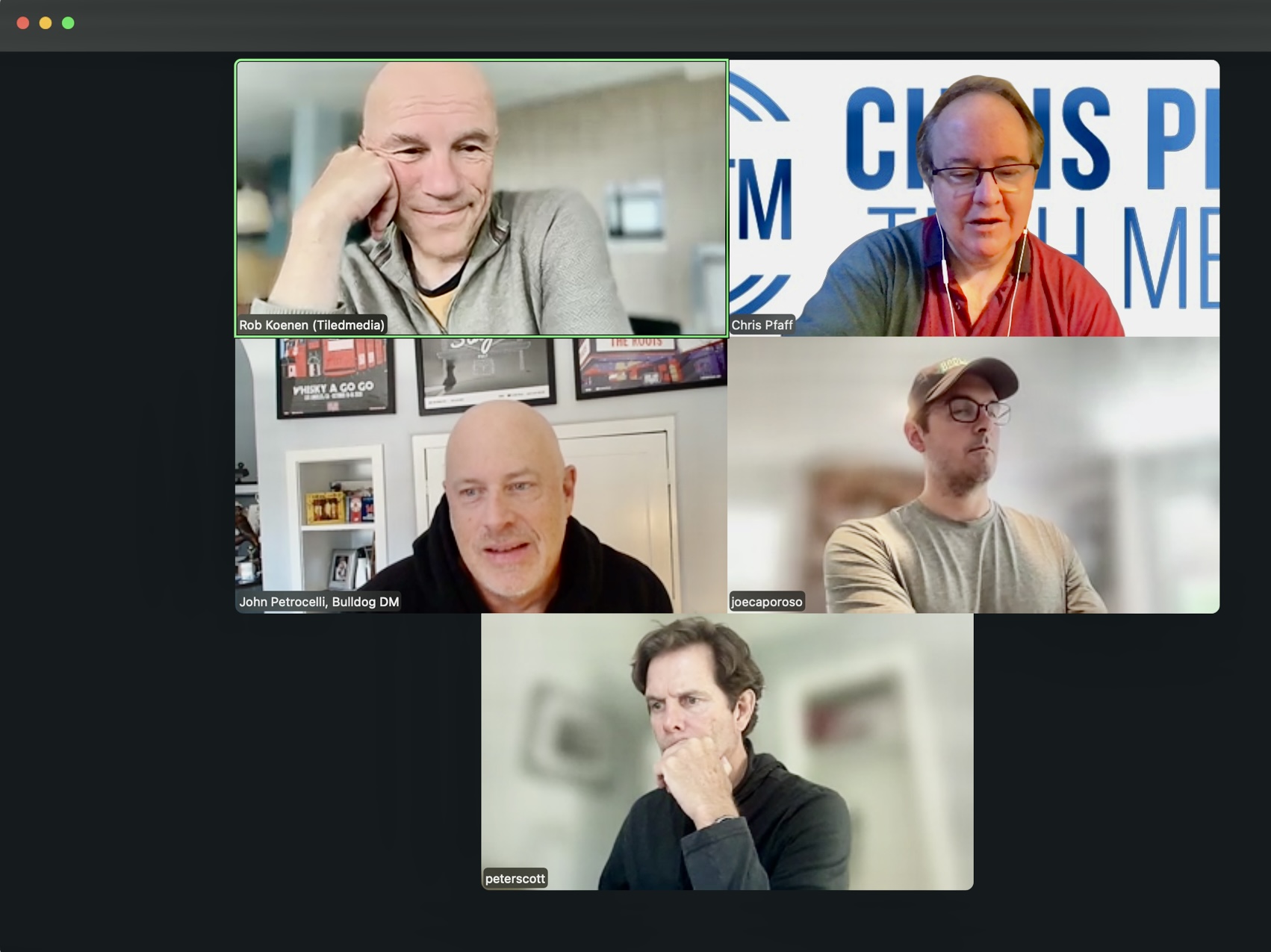
Chris Pfaff moderated an expert session on streaming sports experiences on Wednesday, May 13th, from 3:30-4:30 pm ET on the Streaming Media Connect (virtual) conference.
The session, ‘Fans Forward: Creating Lean-In Engagement with Personalized, Next-Gen Sports Streaming Experiences’ featured Joe Caporoso, president, Team Whistle, a DAZN Company; John Petrocelli, founder/CEO, Bulldog DM; Pete Scott, CSO, Play Anywhere, and Rob Koenen, founder and chief business officer, Tiledmedia. We discussed how new platforms can deliver customized, individualized sports experiences at scale.
Rob Koenen, Founder & Chief Business Officer – Tiledmedia
One fan wants advanced analytics or tactical analysis; another wants enhanced commentary; another wants live interaction and shoppability; yet another wants player-specific highlights. All want to see these elements at the point they are in the game. This panel explores how next-gen platforms deliver individualized sports experiences: customizable commentary tracks, fan-selected camera angles, in-game ecommerce, personalized graphic overlays and statistics, and even AI-generated highlight reels tailored to individual interests. Learn about the production and technical hurdles of creating individualized and interactive experiences from a single live event and how platforms are making personalization feel natural rather than overwhelming.
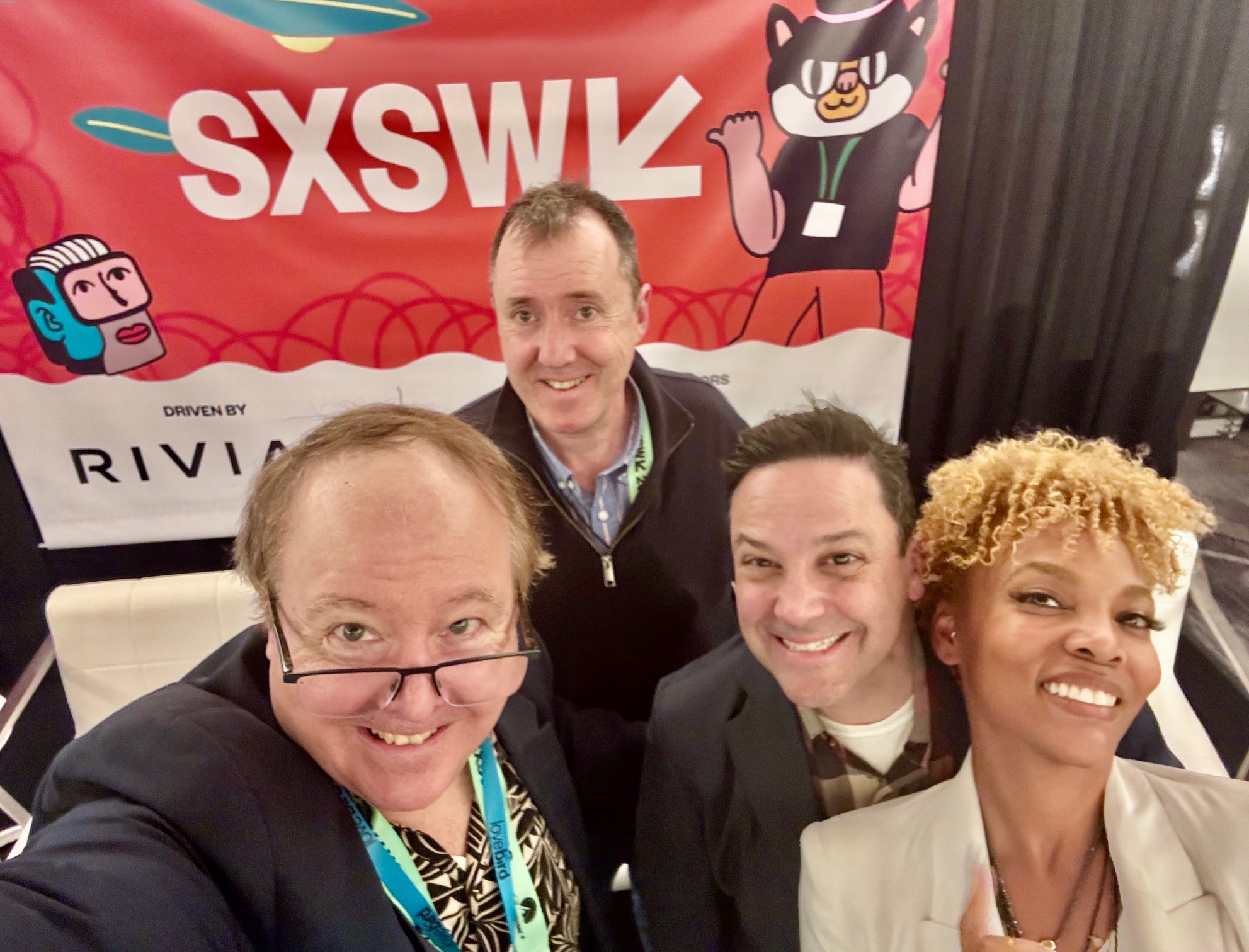
Chris Pfaff moderated the ‘How to Create Immersive 3D Stories with Real Humans’ panel during SXSW 2026 on Monday, March 16th at 4:00 pm at the Austin Marriott Downtown in the Waller Ballroom A. Joining him were Lauren Michelle, CEO, Operaverse Corey Rosen, EVP, Creative Development, Production & Storytelling, Super 78 Richard Broadbridge, CEO, 4Dviews.
The session featured presentations on various techniques for incorporating real human capture – not avatars – in immersive stories.
You can watch the full session at:
And Part II:
HOW TO CREATE IMMERSIVE 3D STORIES WITH REAL HUMANS
The explosion of virtual stories across platforms has seen an increase in the integration of real humans in immersive experiences. The evolution of stunningly realistic volumetric video now enables real human capture and integration in scenes that are life-like and spatially adaptive. The innovations that are now making the human more prominent in complex virtual narratives are being led by producers and toolmakers who are building a network of dynamic volumetric artisans. This session features leading developers of mixed reality, VR, and mobile AR that render virtual humans – not avatars. Monday, March 16, 2026 Austin Marriott Downtown- 304 East Cesar Chavez St. Waller Ballroom A Chris Pfaff, CEO, Chris Pfaff Tech Media LLC
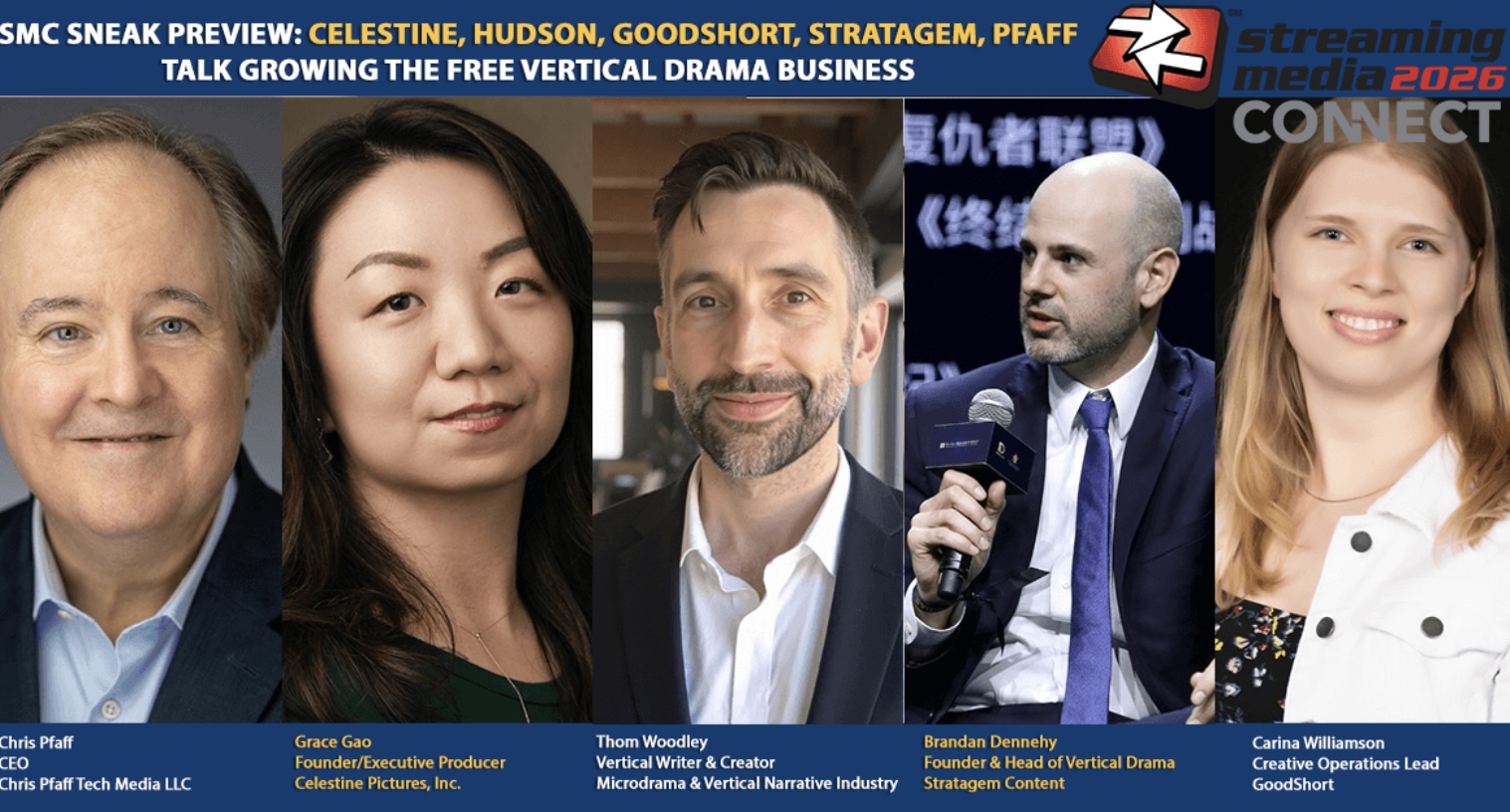
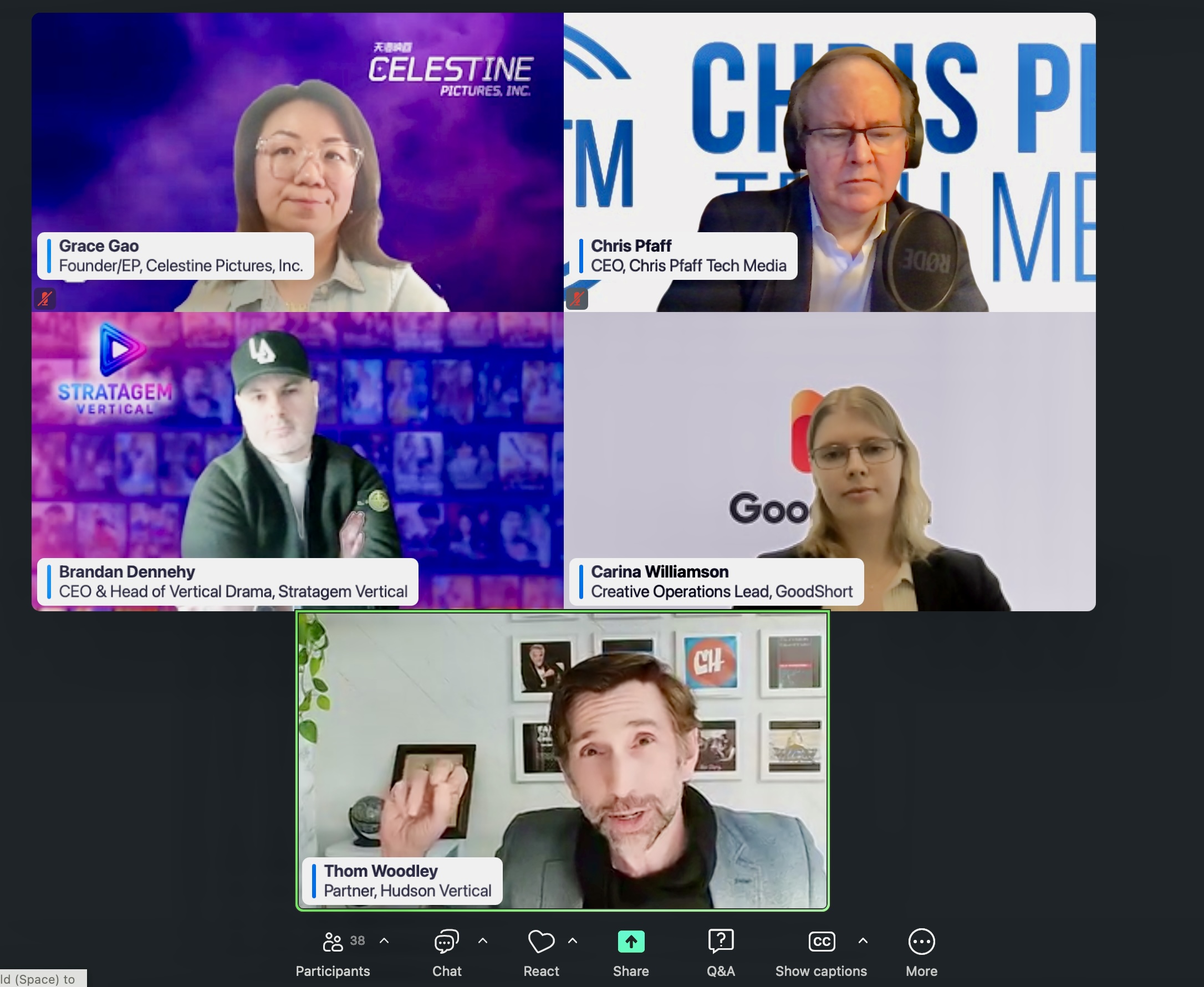
On Thursday, February 26, at Streaming Media Connect, Chris Pfaff, CEO, Chris Pfaff Tech Media, moderated the panel “Vertical Leap: Growing the Free Vertical Drama Business at Streaming Media Connect,” which explored the ways that vertical drama is exploding on free streaming platforms, driven by mobile-first viewing, bingeable formats, and a new generation of viewers and global creators.
The potential of vertical series to become a major mass media form
Pfaff began the discussion by noting that vertical microdramas are a rapidly evolving and exciting new area of media. He asked the group, “How can a seasoned executive in microdrama leverage their past experience from traditional film and TV to increase both artistic and commercial value of this medium?”
Woodley shared his journey from early web series to mobile storytelling, emphasizing the importance of compact stories and the potential of vertical series to become a major mass media form. “I think we are starting to see the aperture widen,” he said. “We’re not only talking about micro budget production…we are now at the precipice of this really becoming a big new mass media in a way that we haven’t seen in a while.”
The integration of AI in content creation and distribution
Grace Gao discussed the launch of her microdrama studio, Celestine Pictures, and the integration of AI in content creation and distribution. “We are focusing on IP screenwriting as our core moat, but also utilizing AI in the pipeline, and also acquiring and distributing internationally at the same time,” she said. “And where it all came from was [that] I’ve been a bilingual person my whole life, and I started out my film and TV career out in New York, the very independent filmmaking scene, traveling with a co-production crew around the world, from Australia to Asia, back to the States.”
She went on to recall that, “after coming out of grad school with a screenwriting degree, straight into the strike, the only gig in town was the verticals. So I naturally fell into this landscape and started learning about this new medium early because of that, learning from the best platforms out there, best collaborators early in the game. Now I’m able to see where we fit best in this entire landscape, and I decided to establish our own thing, really honing in on human creativity as we’re evolving further into automation, trying to cut the cost down across the board.”
The shift in content strategy and audience engagement for microdramas
Brandan Dennehy recounted his experience with Pocket FM and the rise of microdramas, noting the shift in content strategy and audience engagement. “I sort of backed my way into this space completely by happenstance, even before microdramas were a thing. I spent 20 years in Hollywood working with folks like David Ellison, Kevin Feige, and Michael Mann. And even then, it was impossible to get anything made. The pandemic came along and killed everything that I had set up, and serendipitously, a company [Pocket FM] reached out to me, pitched themselves as the Netflix of audio, and I said, sure, let’s do it. And what I learned immediately was that this company’s business model was quite different than anything else that was going on.
“We were licensing content from China, we were localizing it, we were testing it. And then, when we were validating through testing, we would make those shows for the US audience. And that model was in late 2021, which led to the explosion of microdramas about a year and a few months later, when ReelShort came out. And so we moved into that space in our own way at PocketFM, mostly for marketing purposes, but also putting shows in the app.
Carina Williamson highlighted the opportunities for new graduates in the vertical space and the rapid production cycles that allow for quick audience feedback and content adaptation. “We’re seeing a new generation similar to me who are coming to Hollywood out of school or moving to try and make a career in entertainment. And they’re all turning to verticals instead because, one, there are just so many of them that there’s an endless amount of options, and also because there is a severe lack of options in the traditional Hollywood space.” She also emphasized that microdramas are well-suited for highly optimizing audience engagement due to their quick turnarounds. “[We] have the opportunity to see projects through from script to production to editing to release in such a short amount of time, and be able to understand the data and our audience in such short timeframes, make such quick decisions, test things out, and get to understand what people are looking for out of this new form of media.”
Brand integration in vertical dramas
Woodley discussed the unique opportunities for brands to fully integrate themselves into vertical dramas. “I’m Dos Equis, and at the top of the quarter, I could say, ‘Oh, you know what? I think I’ll do a microdrama. And by the end of the quarter, it’s out, and I have my results.’ And that’s the kind of thing we did when I was at College Humor, leading the branded content division, but that would be for a brand with a one-off sketch video. And now the question is really, well, why can’t a brand make an entire series? And they’ve started to. Procter & Gamble recently made a 55-episode series with Jonas [Barnes] at Pixie USA. And there’s been a couple of other experiments in this space, [such as] Maybelline.”
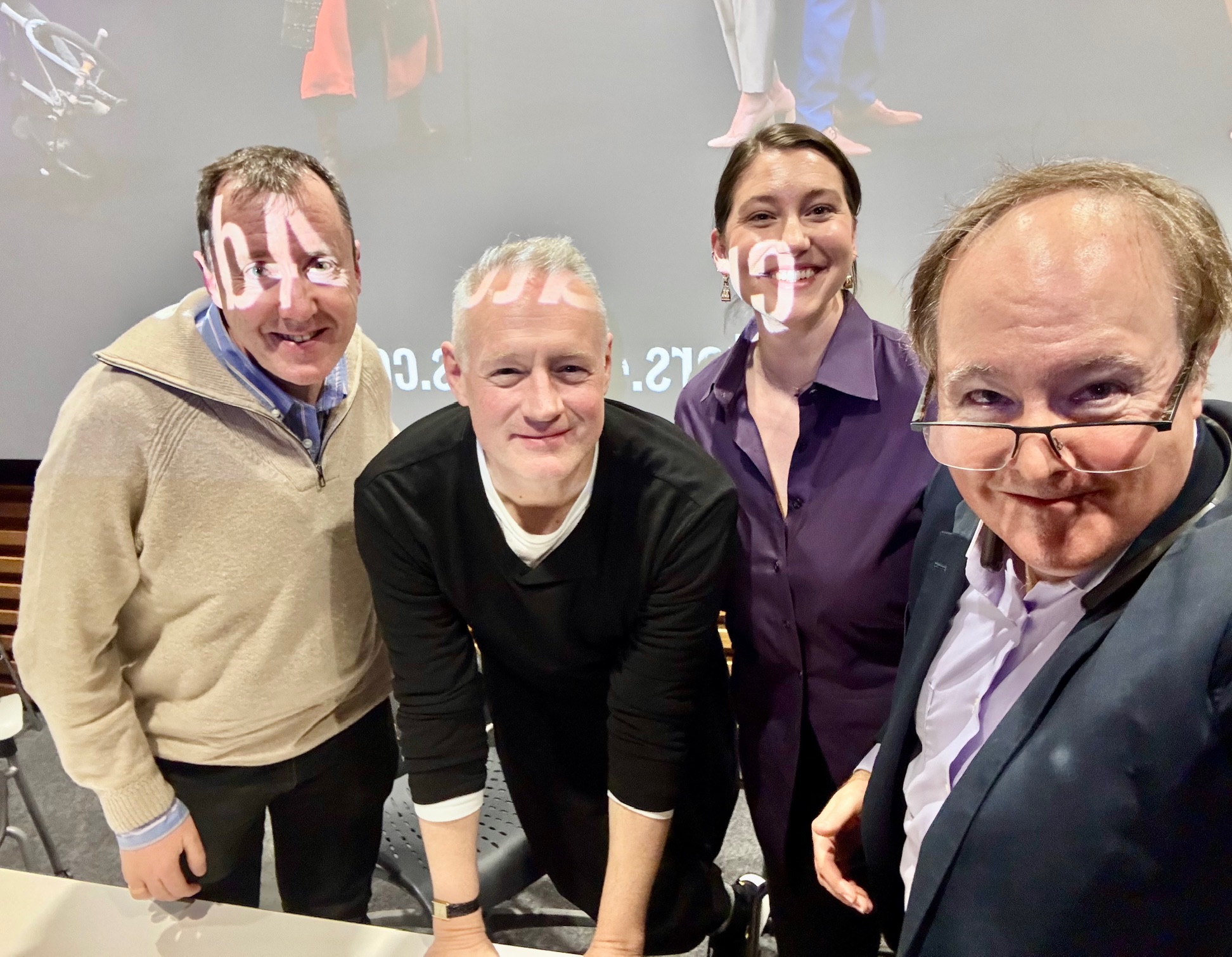
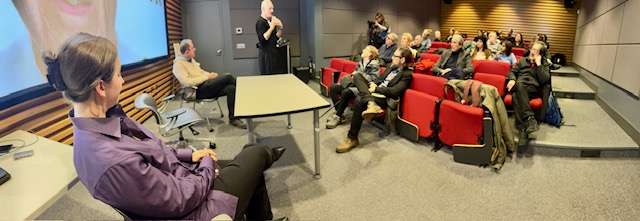
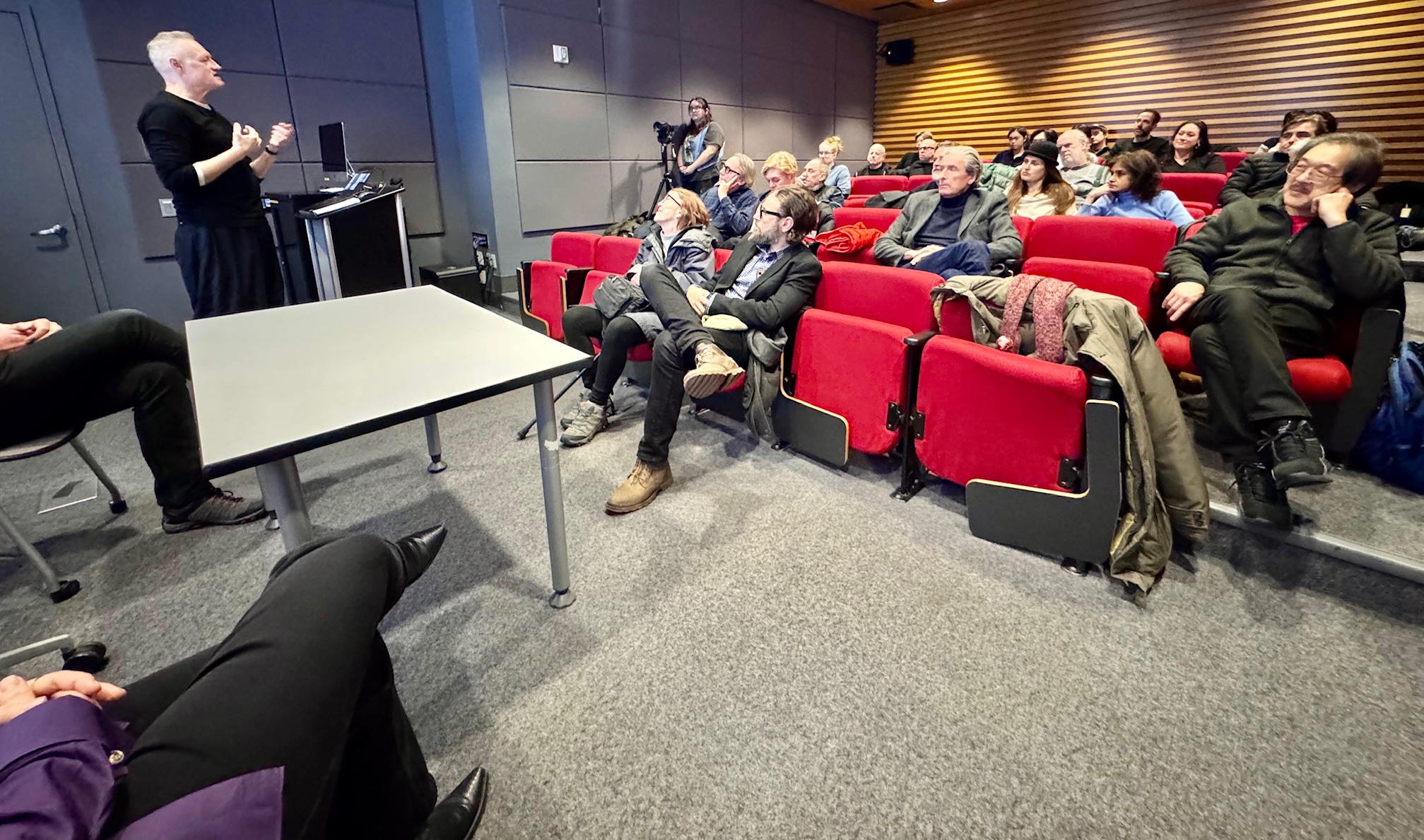
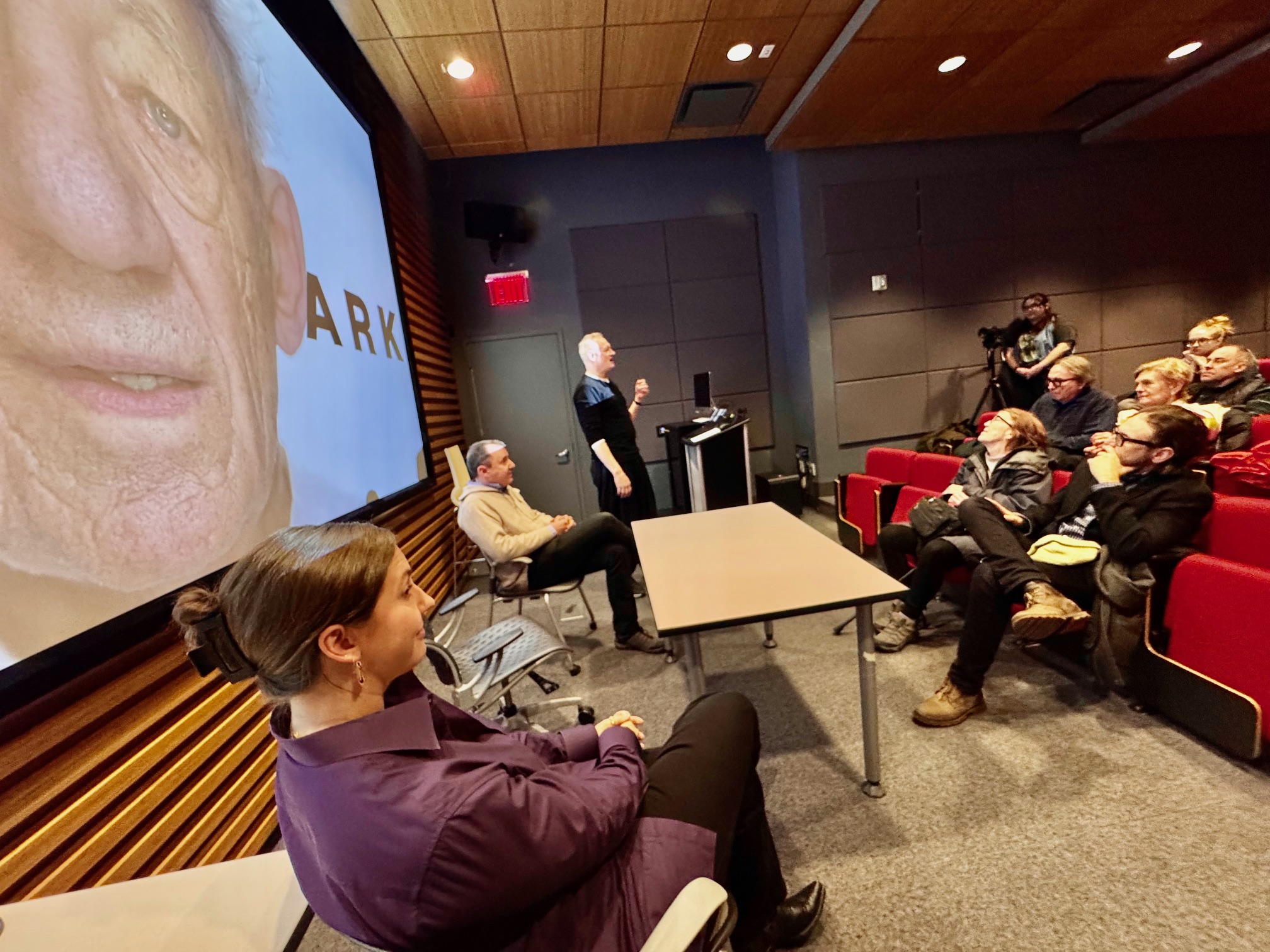
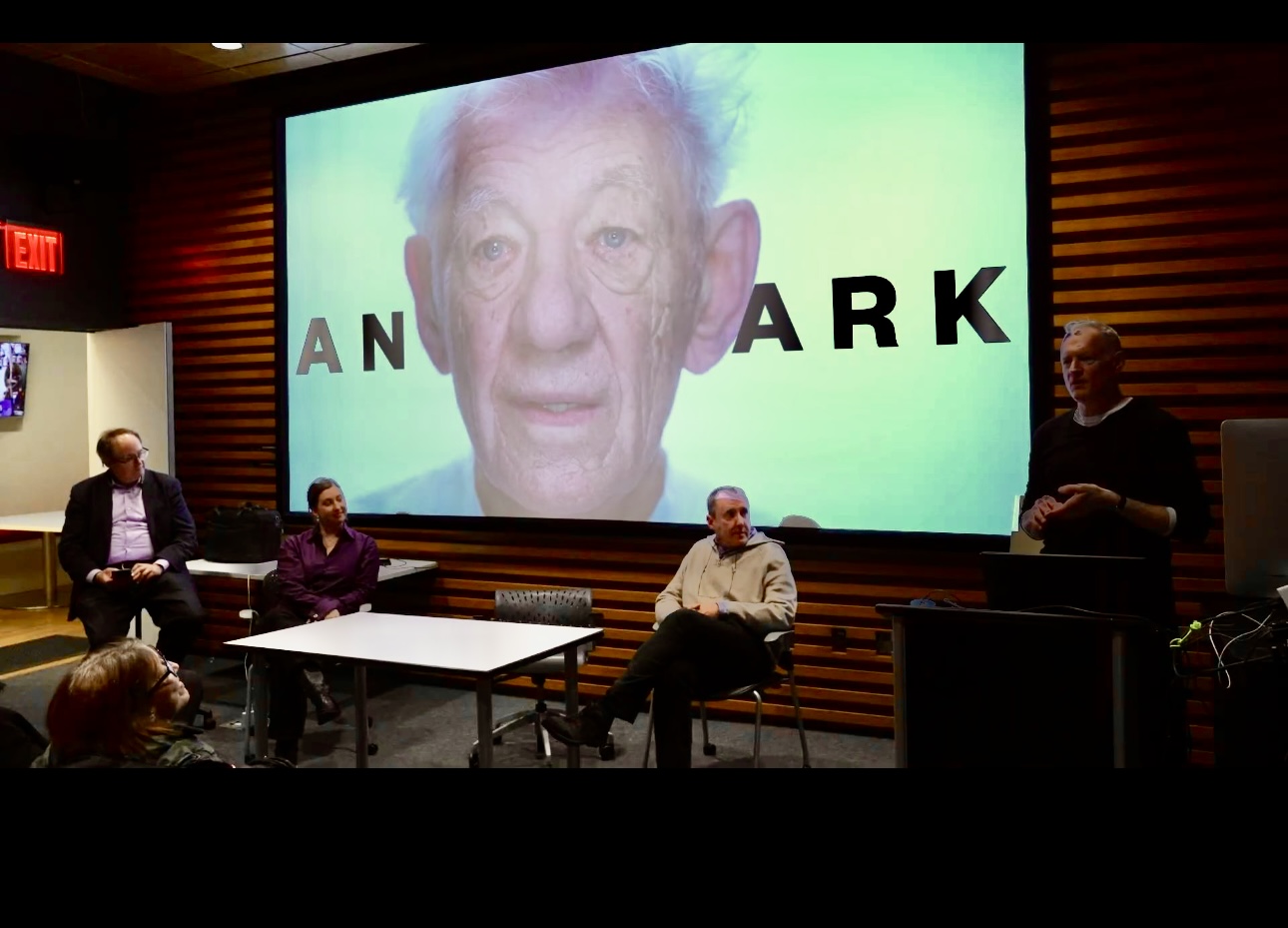
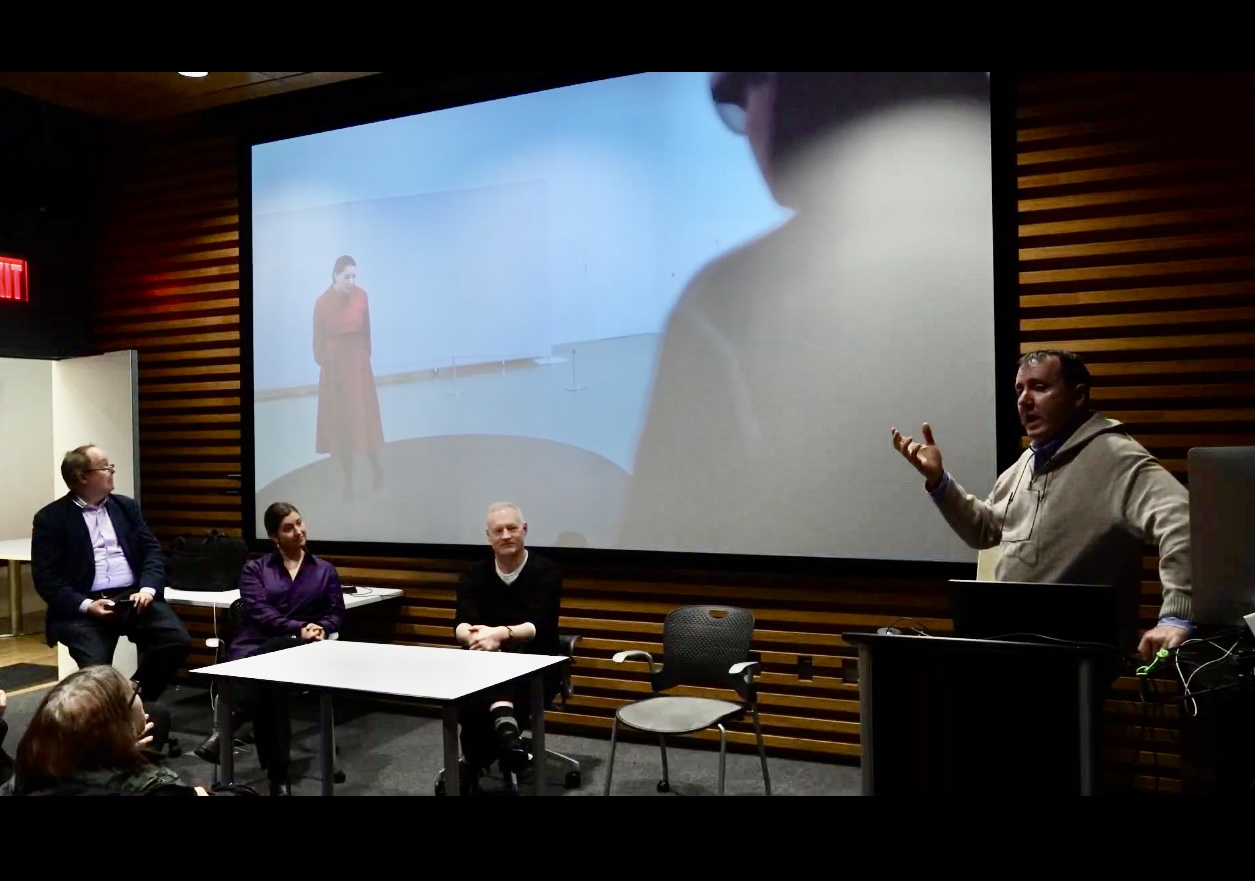
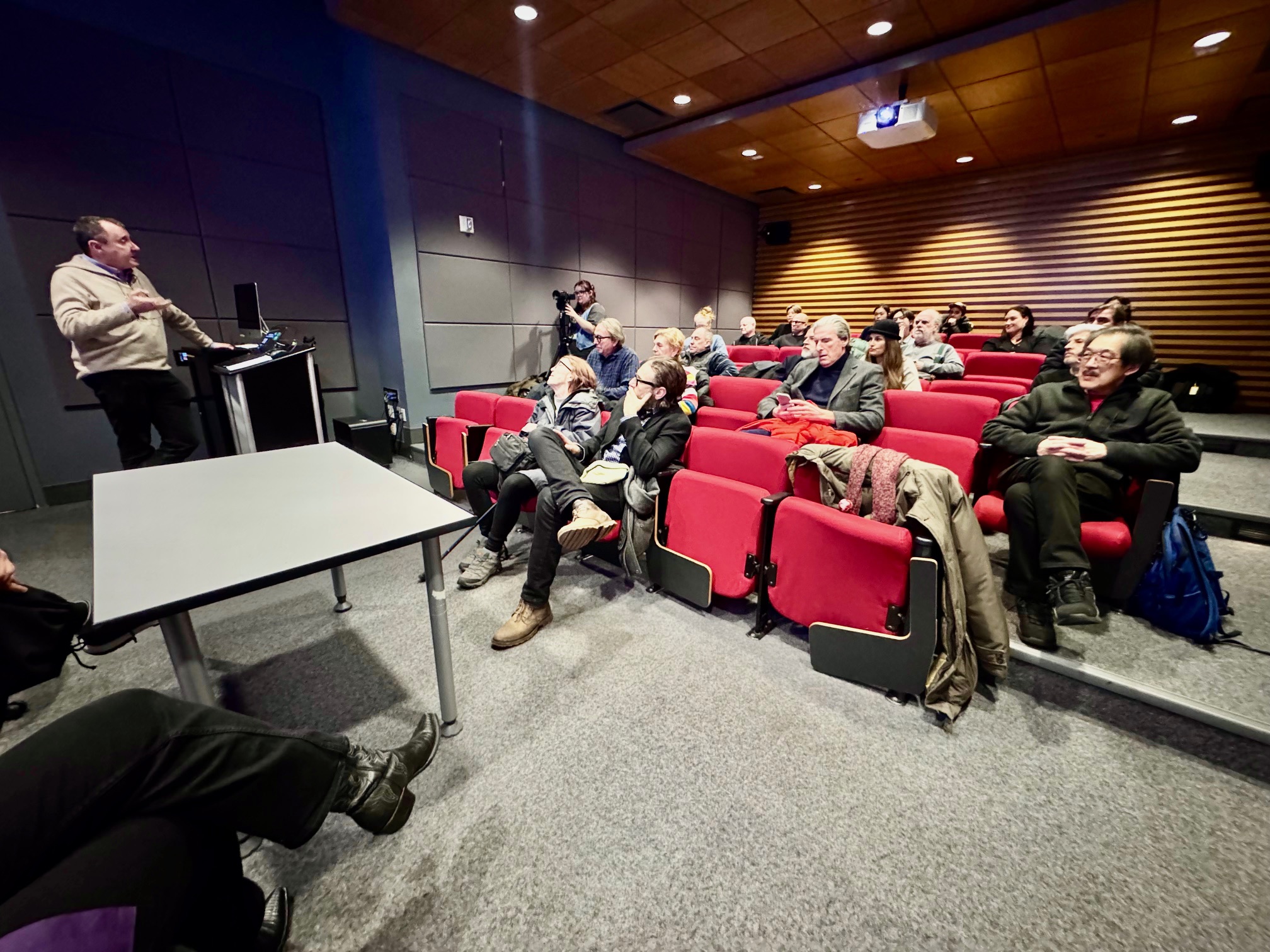
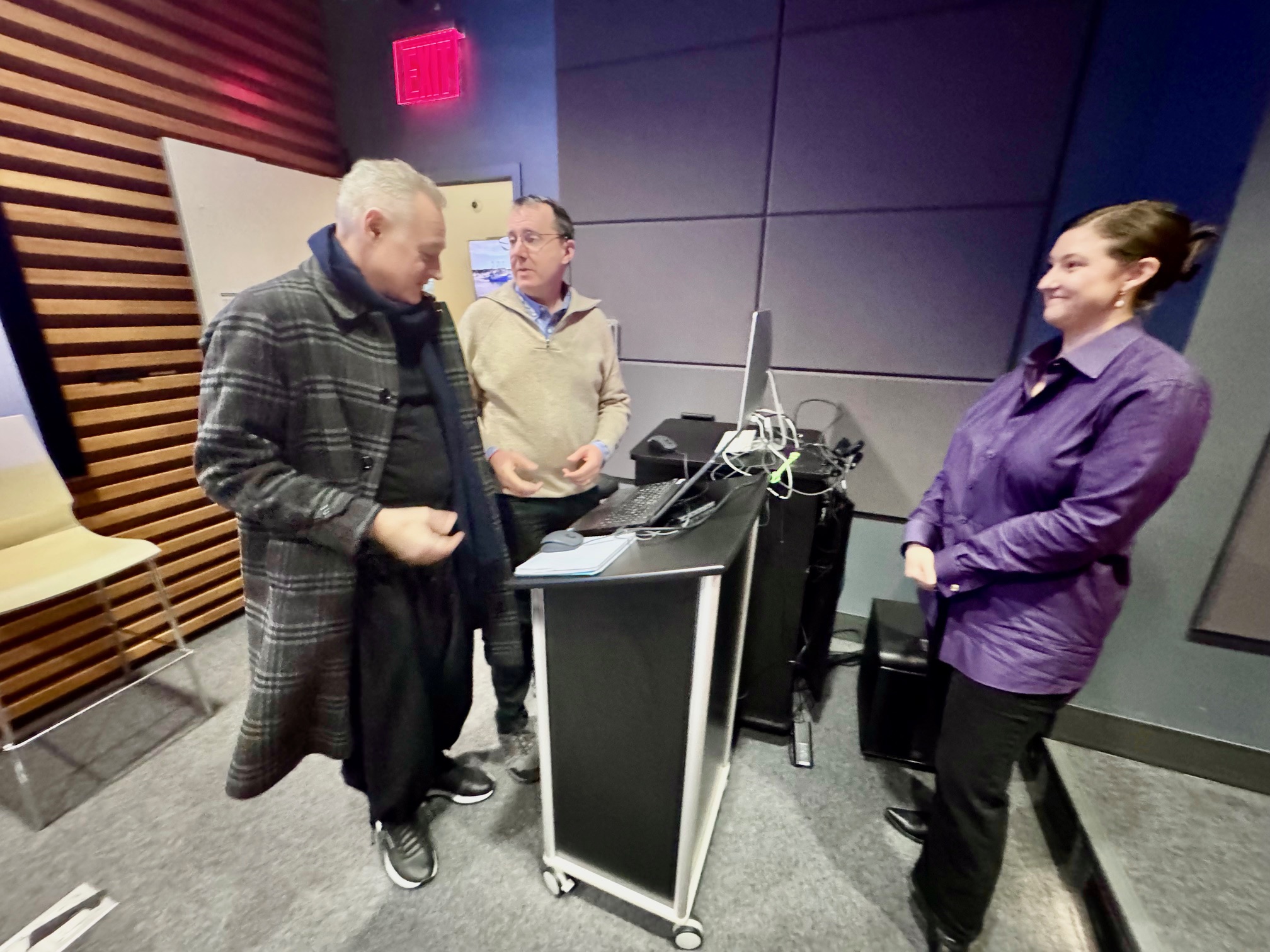
The immersive arts and entertainment cognoscenti showed up at the School of Visual Arts Graduate Theatre in NYC on Thursday, January 22nd for ‘Immersive Theatre: Volumetric Capture Smashes the Four Walls.’ Some of the leading players in the field, including Richard Broadbridge from 4Dviews, Todd Eckert from Tin Drum, Inc., and Leigh Tanner from HTC VIVE Arts, and Chris Pfaff SXSW from Chris Pfaff Tech Media LLC gave detailed presentations on experiential theatrical and musical works that leverage how volumetric video enables human-like presence, emotional depth, and audience connection in ways that traditional stages simply cannot.
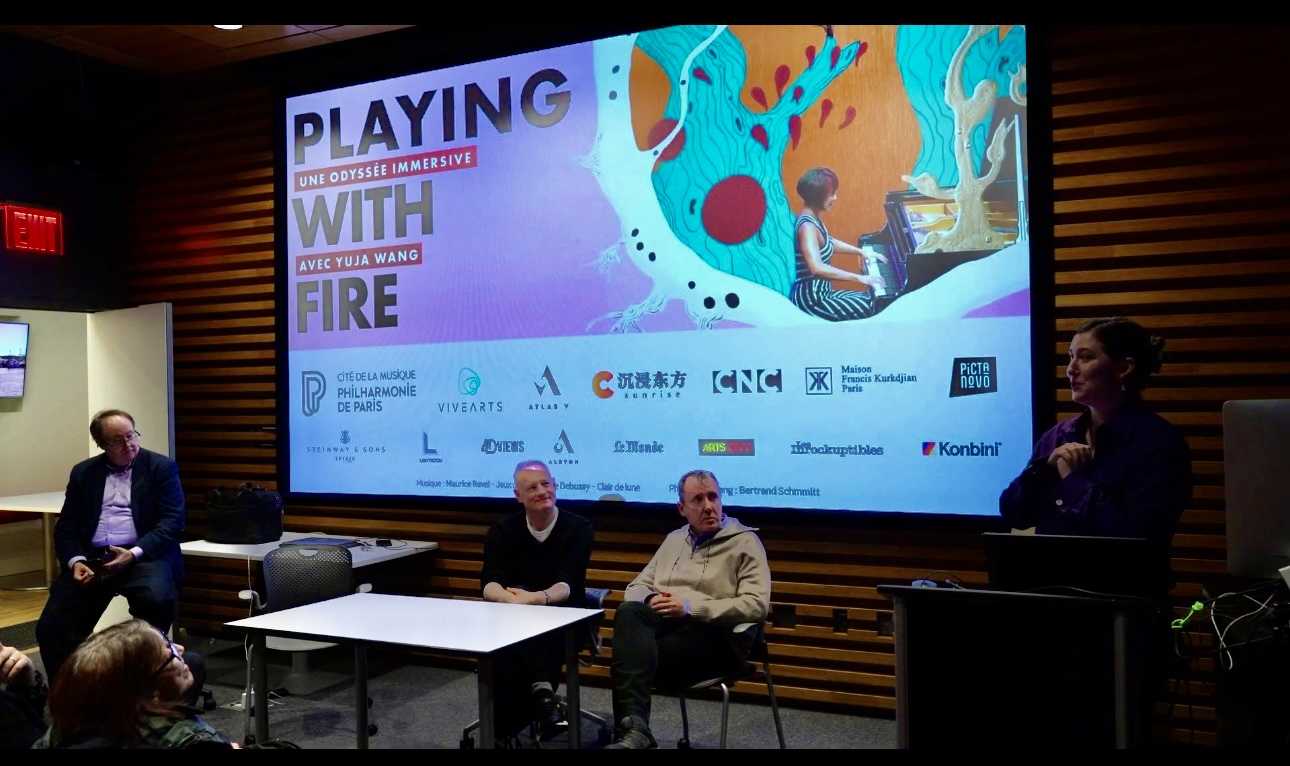
Todd Eckert, who produced ‘An Ark,’ which had premiered the previous evening at The Shed (NY), showed how the four actors, including Sir Ian McKellen, took to the volumetric recording process. Richard Broadbridge discussed his work with Eckert on ‘An Ark’ and their previous collaborations, including ‘KAGAMI’ with Ryuichi Sakamoto. Leigh Tanner discussed ‘Playing with Fire,’ the spectacular musical experience with pianist Yuja Wang, currently playing at Philharmonie in Paris.
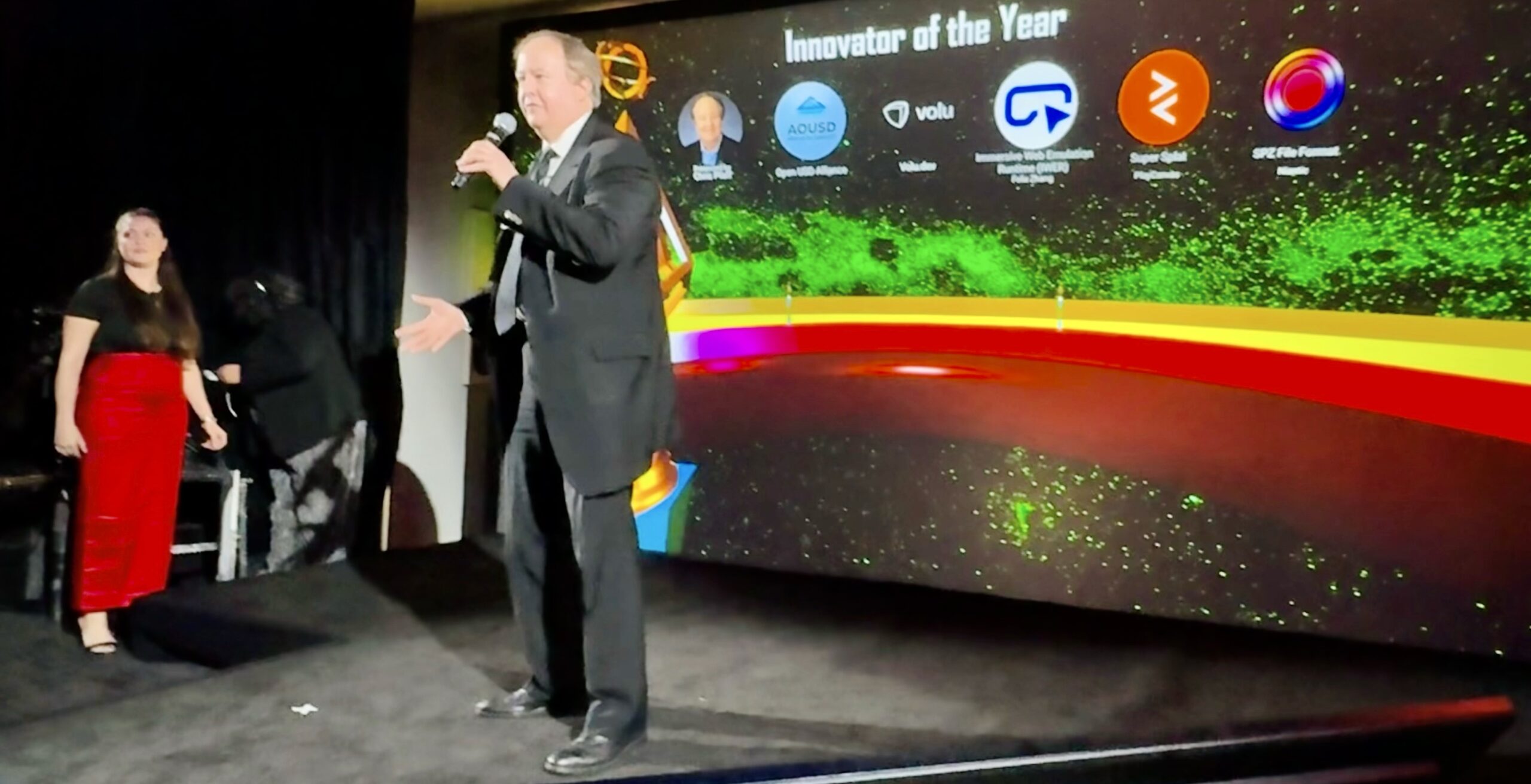
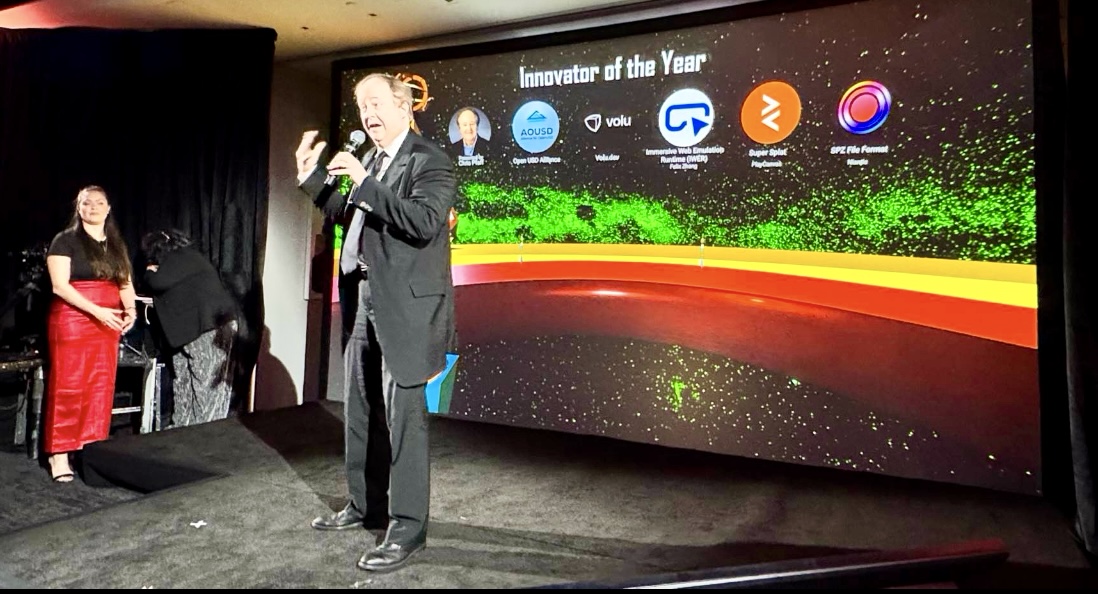
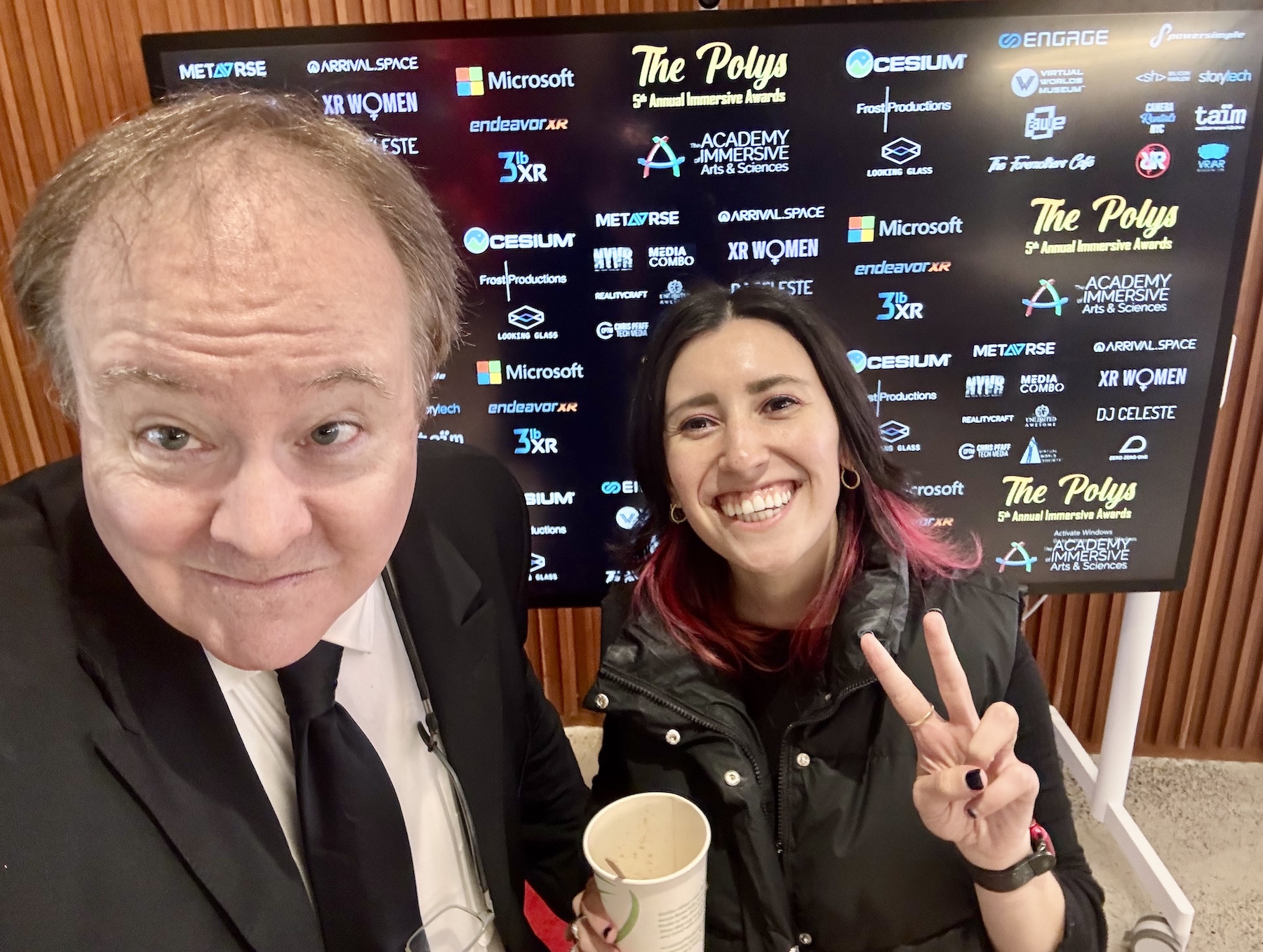
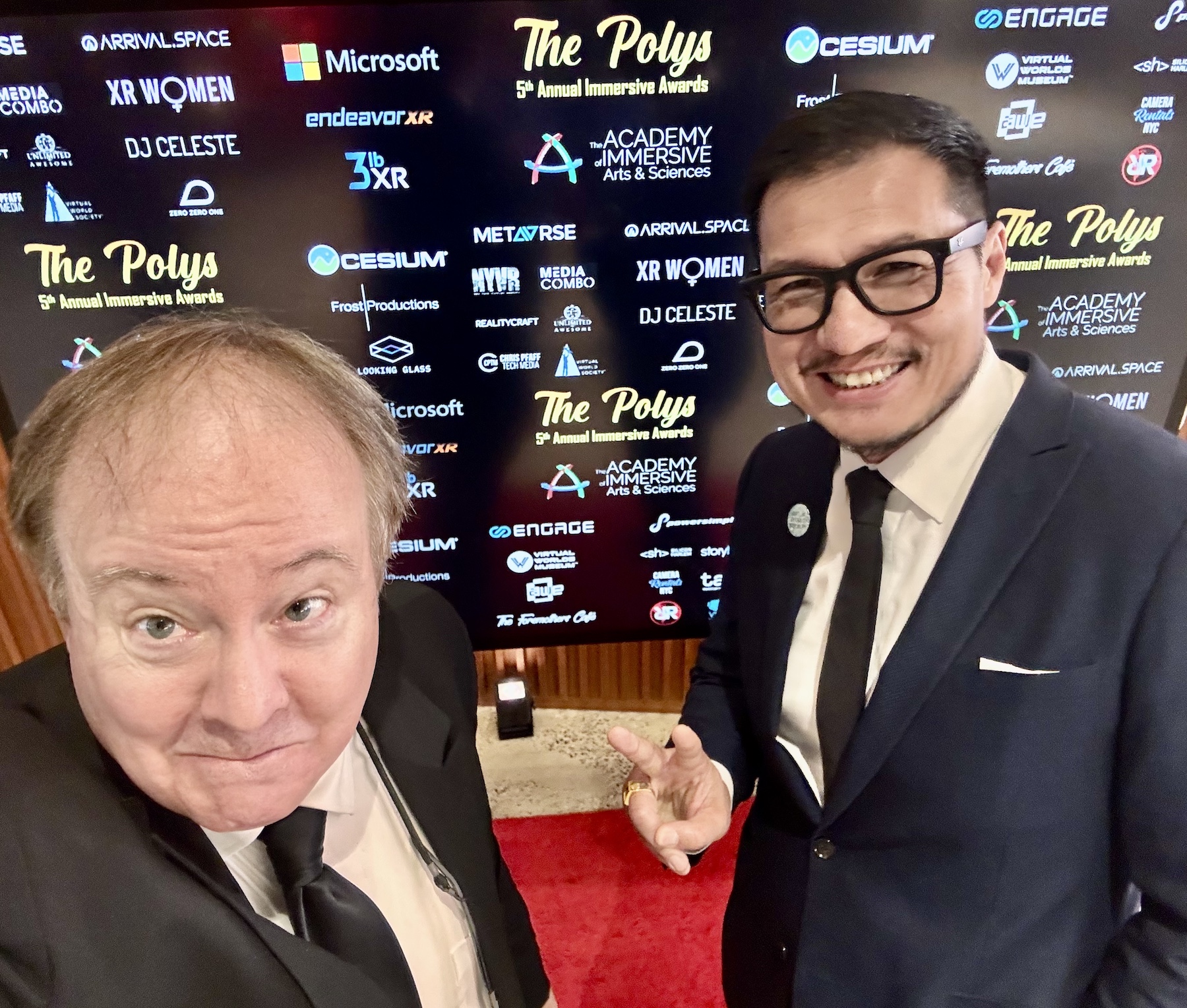
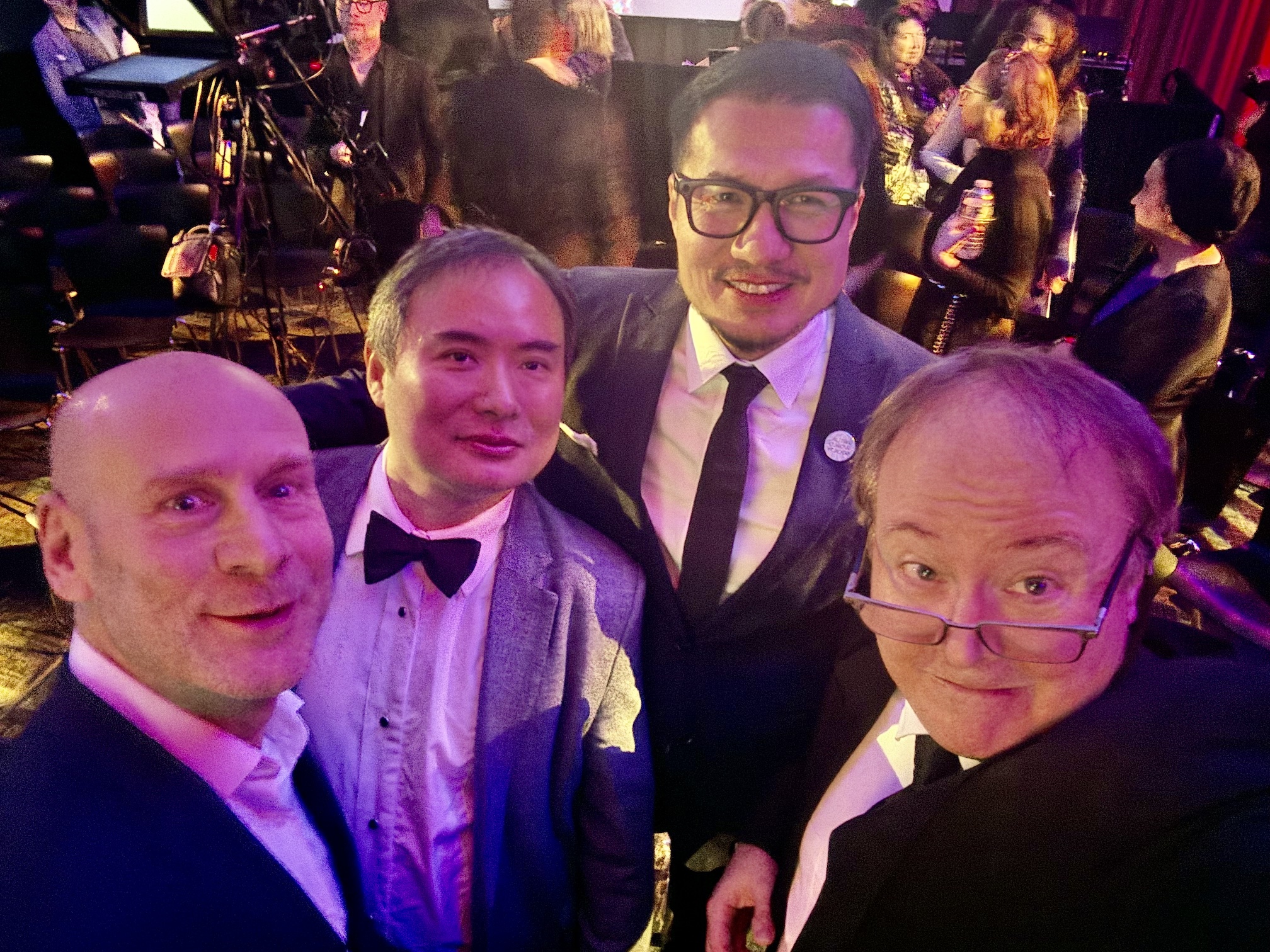
In case you missed me at The Polys – Immersive Awards this past March 23rd, at the Microsoft Garage in Manhattan, or have yet to check out the amazing live production on YouTube, you can now see my live-hosting gig as the announcer for the ‘Innovator of the Year’ Award, which was won by Super Splat.
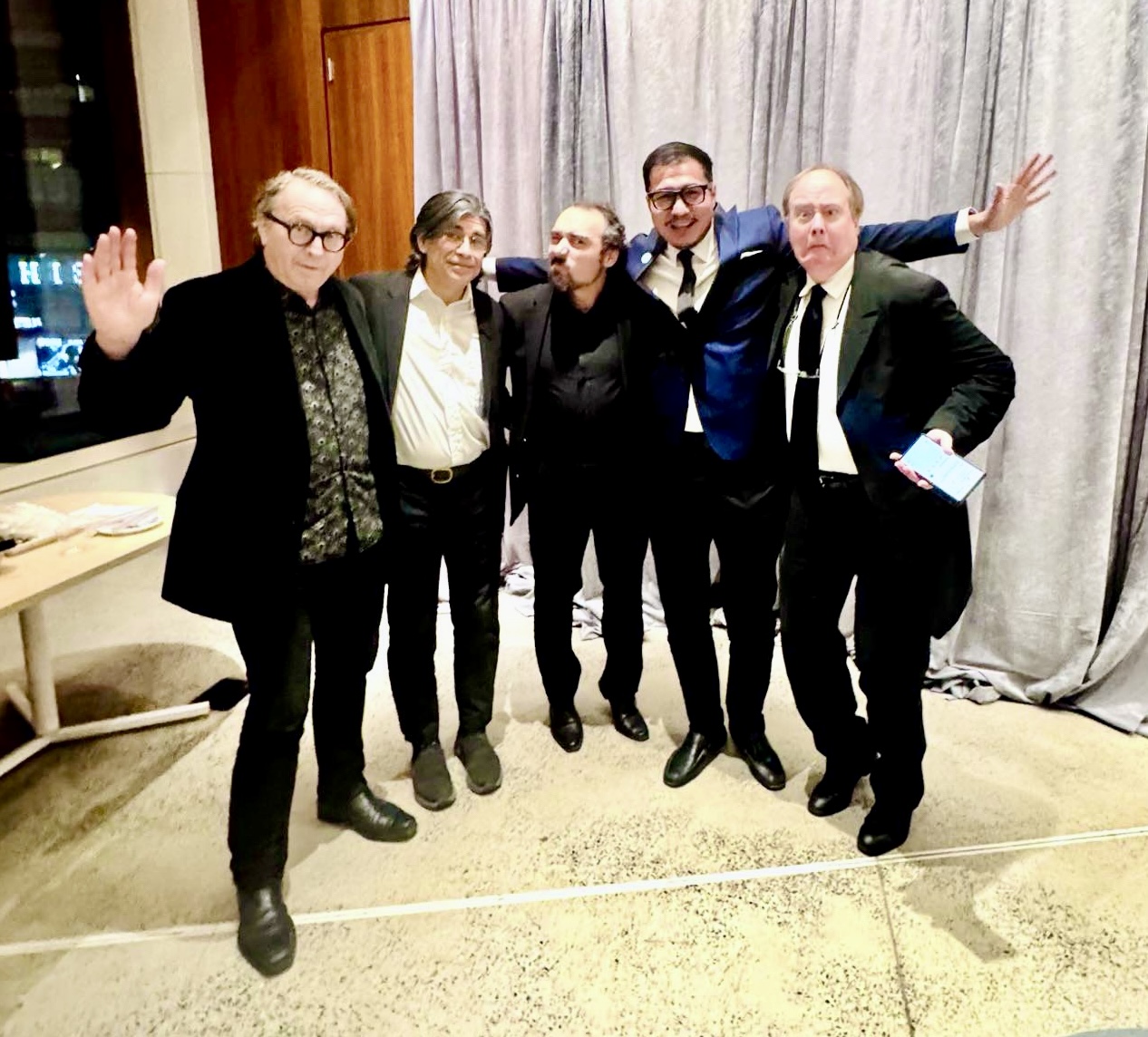
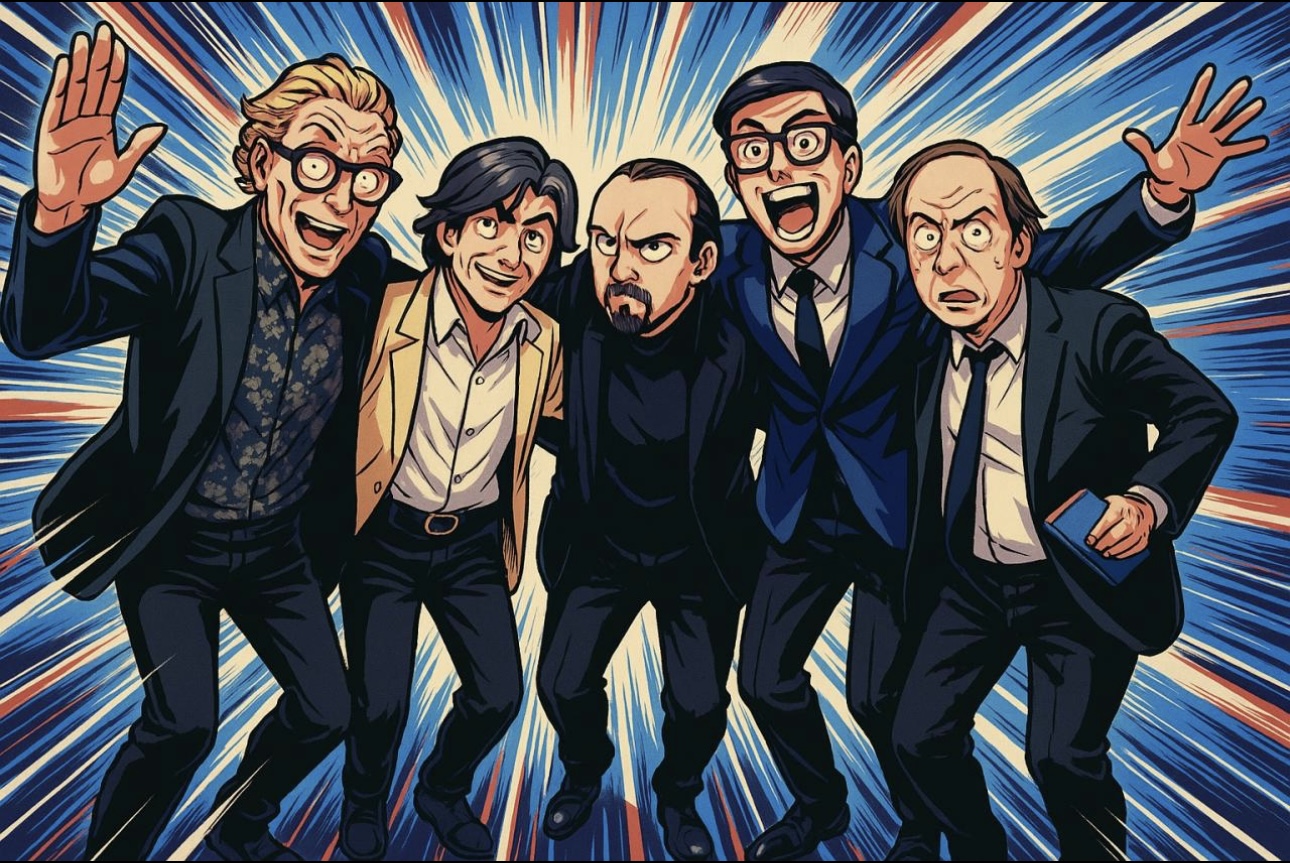
Michael Owen, Dario Loverde, Alex Coulombe, Alvin Graylin, and Chris Pfaff, after the Polys (and Alex Coulombe’s cartoon treatment)
Chris Pfaff hosts the Innovator of the Year segment during the 5th Annual Polys, at Microsoft Garage
Chris Pfaff and Elena Piech Chris Pfaff and Alvin Graylin Ori Inbar, Yu Yuan, Alvin Graylin, and Chris Pfaff
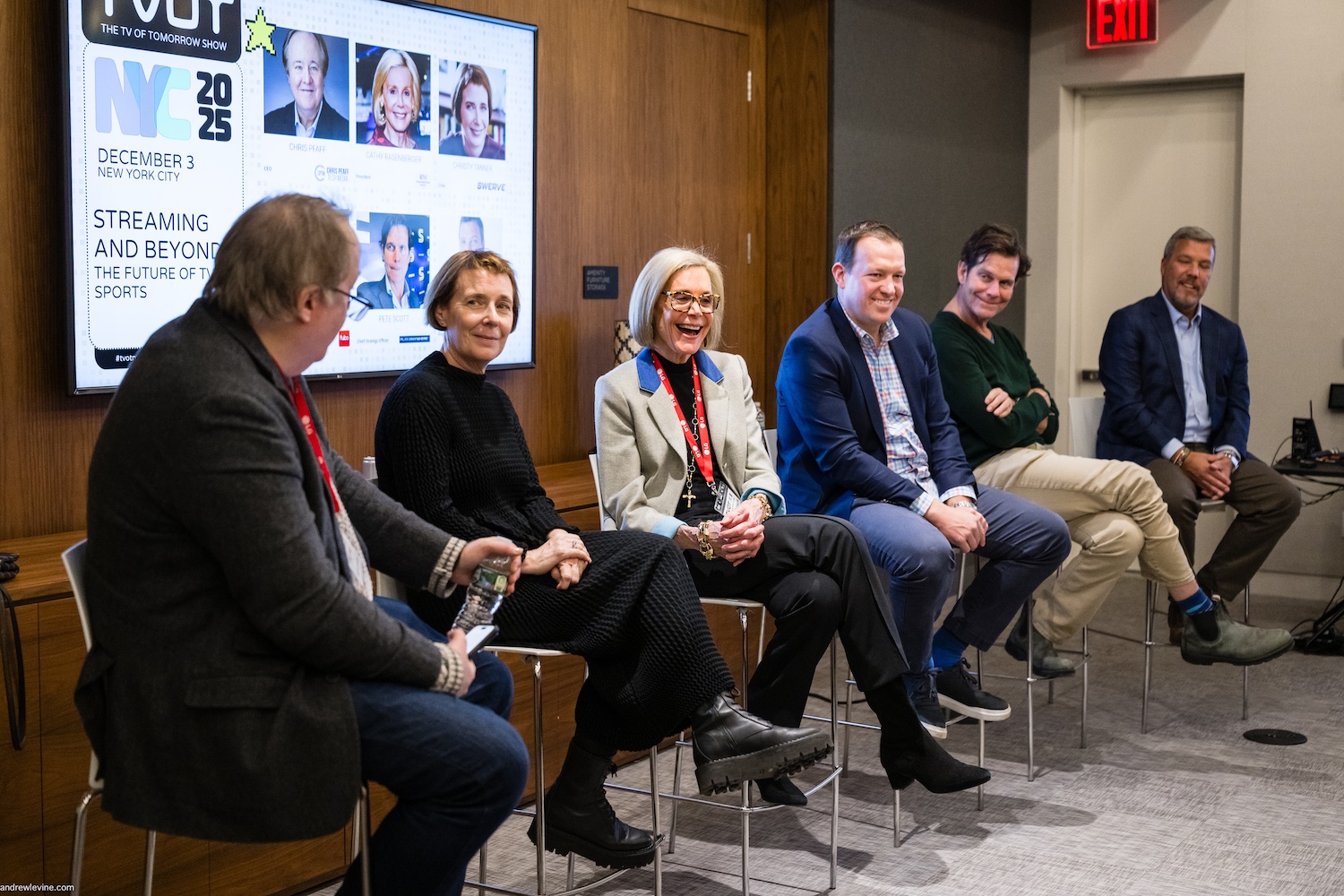
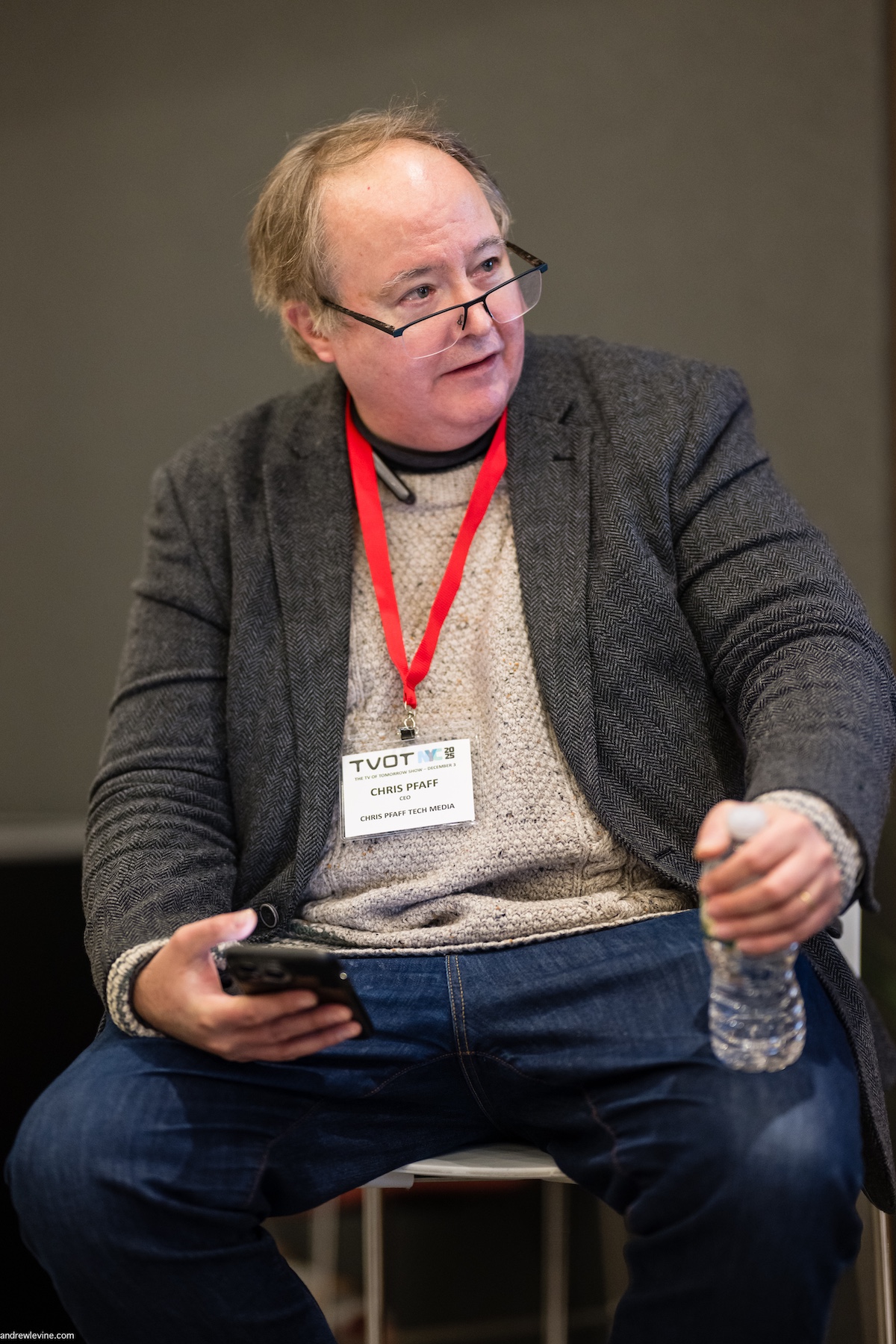
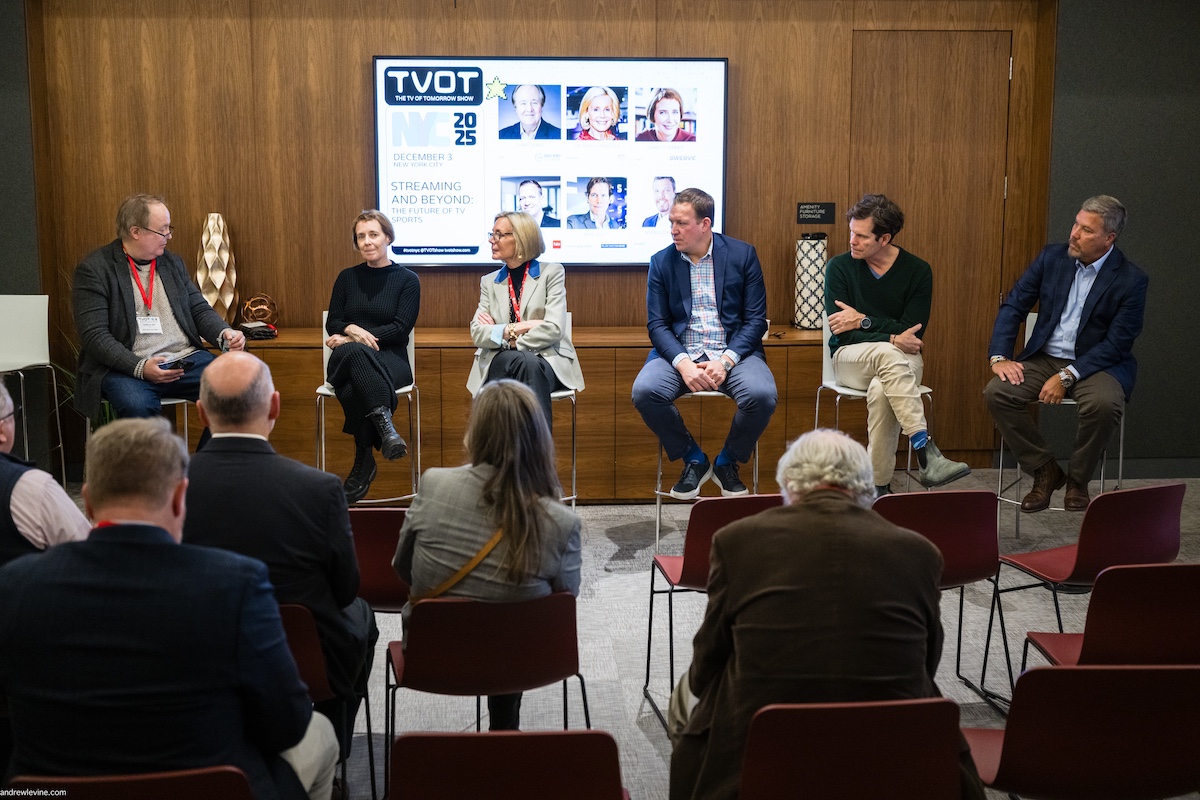
On Wednesday, December 3, 2025, Chris Pfaff moderated the ‘Streaming and Beyond: The Future of TV Sports’ panel at the TV of Tomorrow Show NYC at Hudson Commons in Manhattan.
The conversation ran from FAST channels for niche sports to gamification of sports on TV, and AI personalization for viewers.
The expert panel consisted of:
• Cathy Rasenberger, President, Free Live Sports
• Christy Tanner, Chair, Swerve TV
• Matt Felder, VP of Ad Sales, Fubo
• Pete Scott, Chief Strategy Officer, Play Anywhere
• Rob Bocchicchio, President, Centriply
STREAMING AND BEYOND: THE FUTURE OF TV SPORTS
Live-streaming sports is a global market that is valued at $32.4 billion and is projected to reach more than $100 billion by 2033. As live sports shifts to direct-to-consumer platforms, engagement matters more than ever, with AI and data shaping the experience. The gamification of sports is upon us, and features ranging from alt-casts to multi-view to real-time personalization will drive greater monetization of sports content, increasing fan engagement. This panel will discuss the production of a brave new world for sports content.
CHRIS PFAFF TECH MEDIA LAUNCHES THE SPATIAL AND AI NARRATIVE LAUNCHPAD;
GLOBAL INTENSIVE PROGRAM FOR EUROPEAN XR AND AI START-UPS
Focused Marketing and Business Development Programs for Deep-Te...